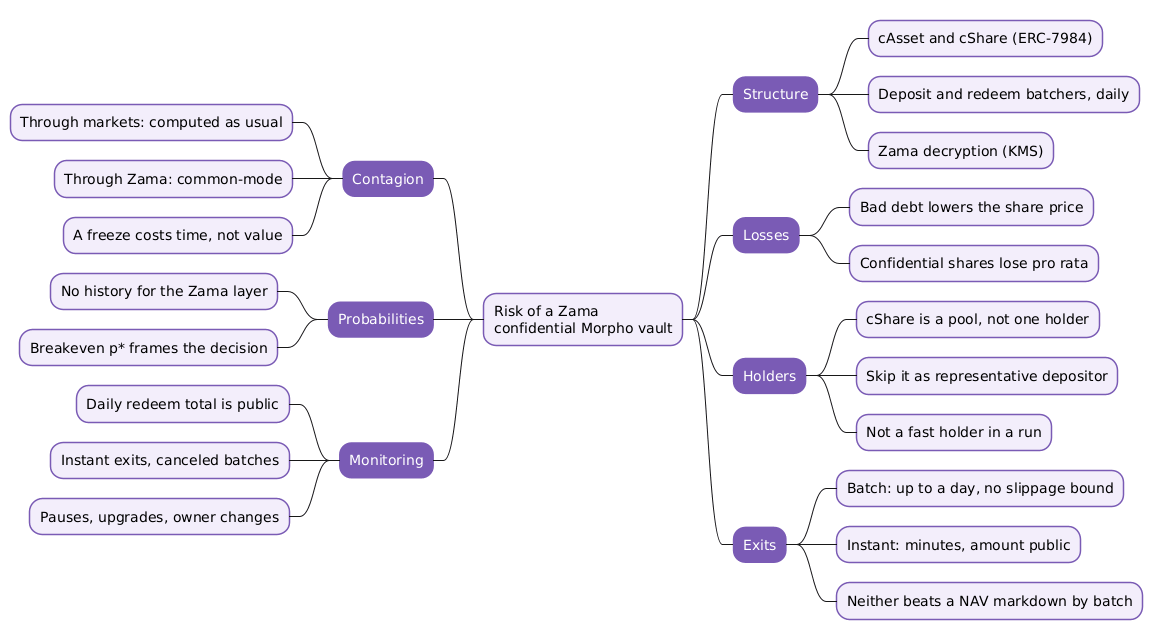
The Hyperliquid Protocol - HyperCore, HyperEVM and Onchain Perpetual Mechanics
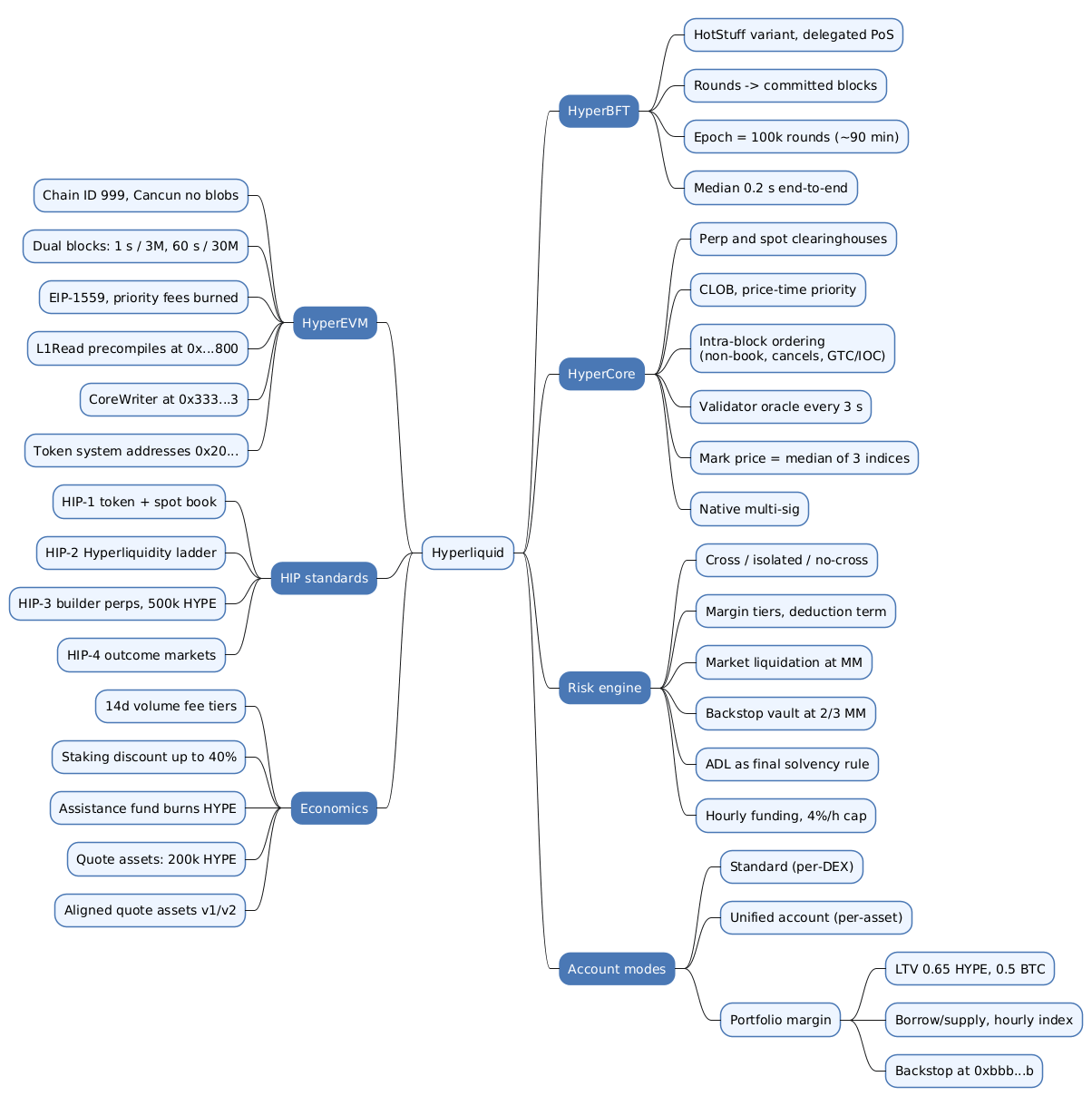
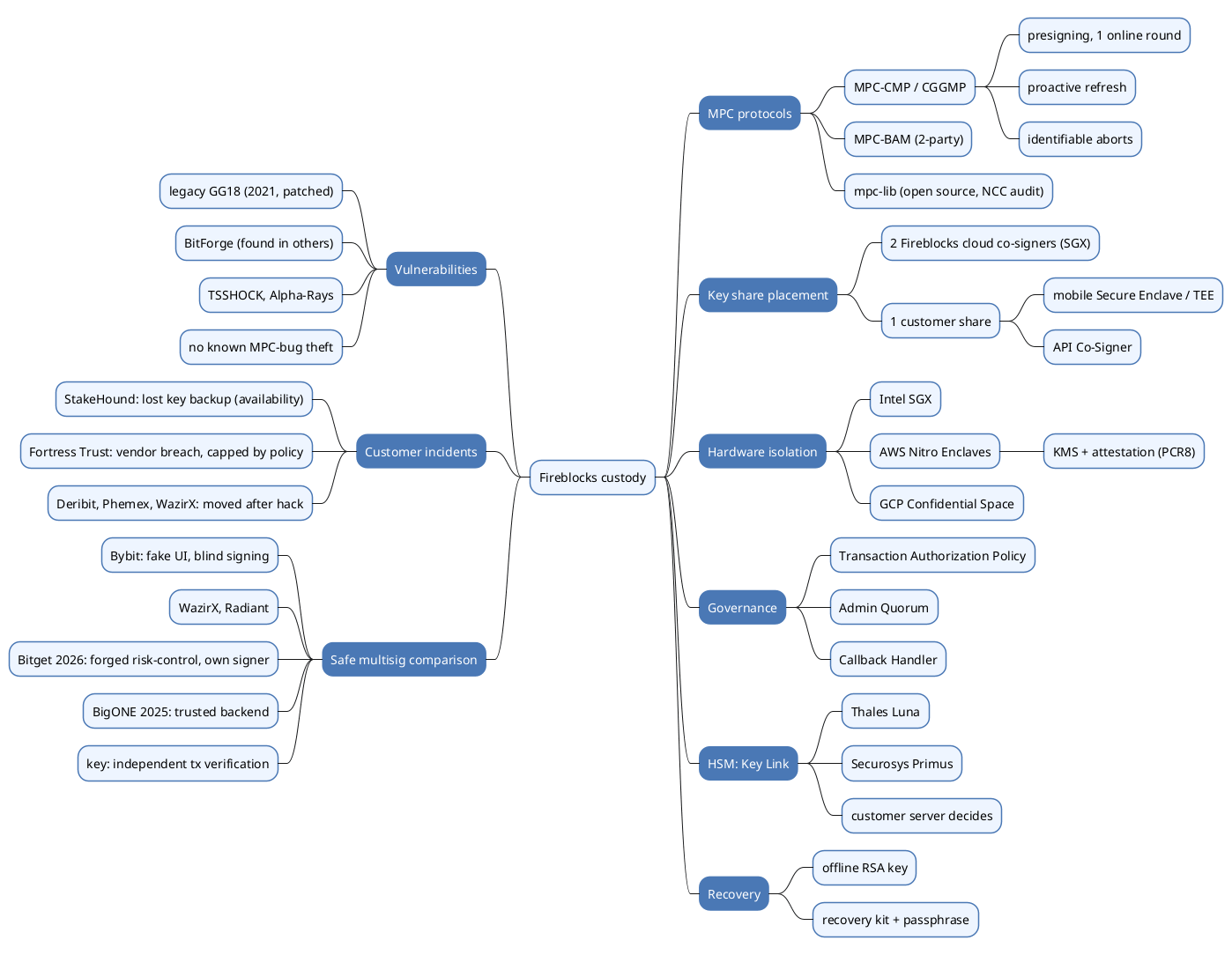
How Hyperliquid runs a native order book and an EVM under one HyperBFT consensus, and how its margining, oracles, liquidations and HIP standards work.
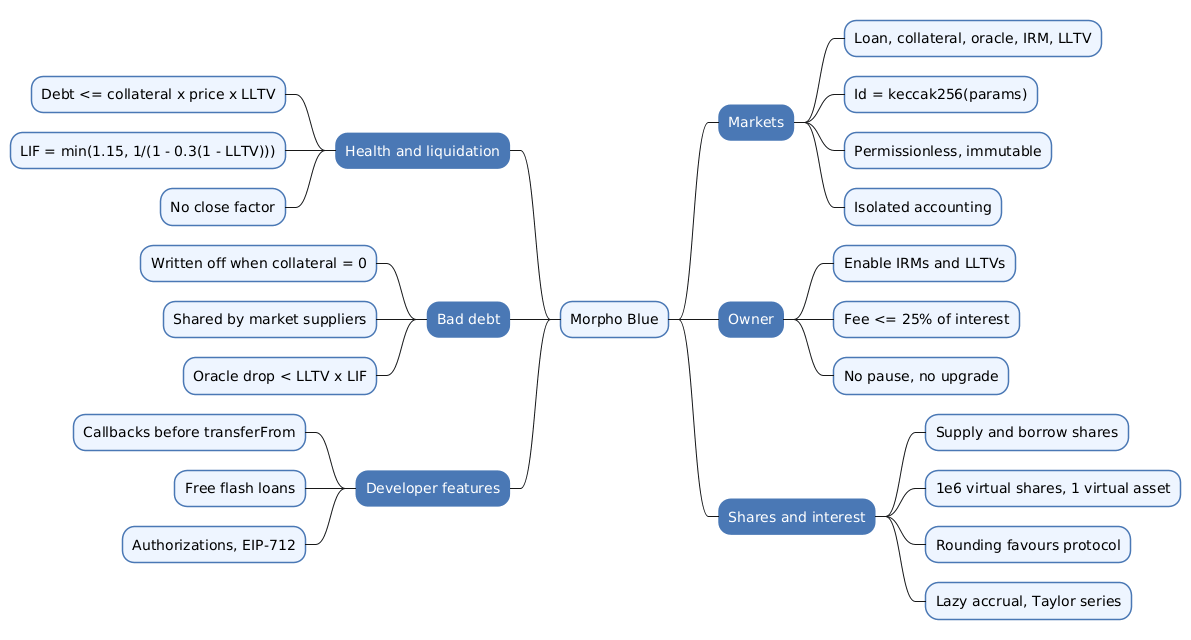
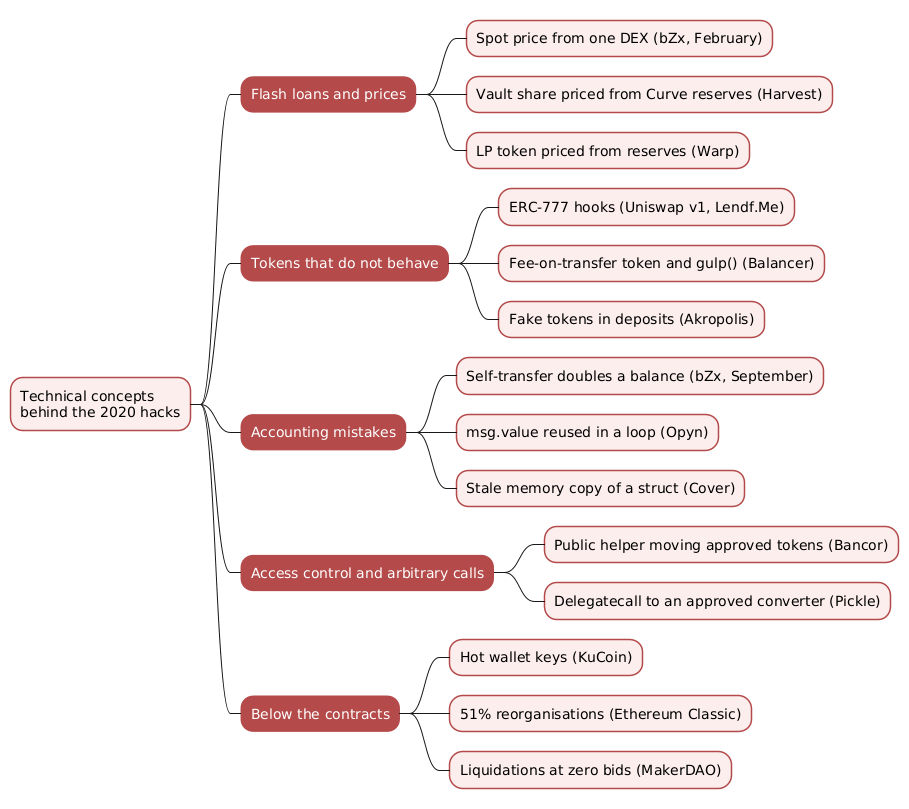
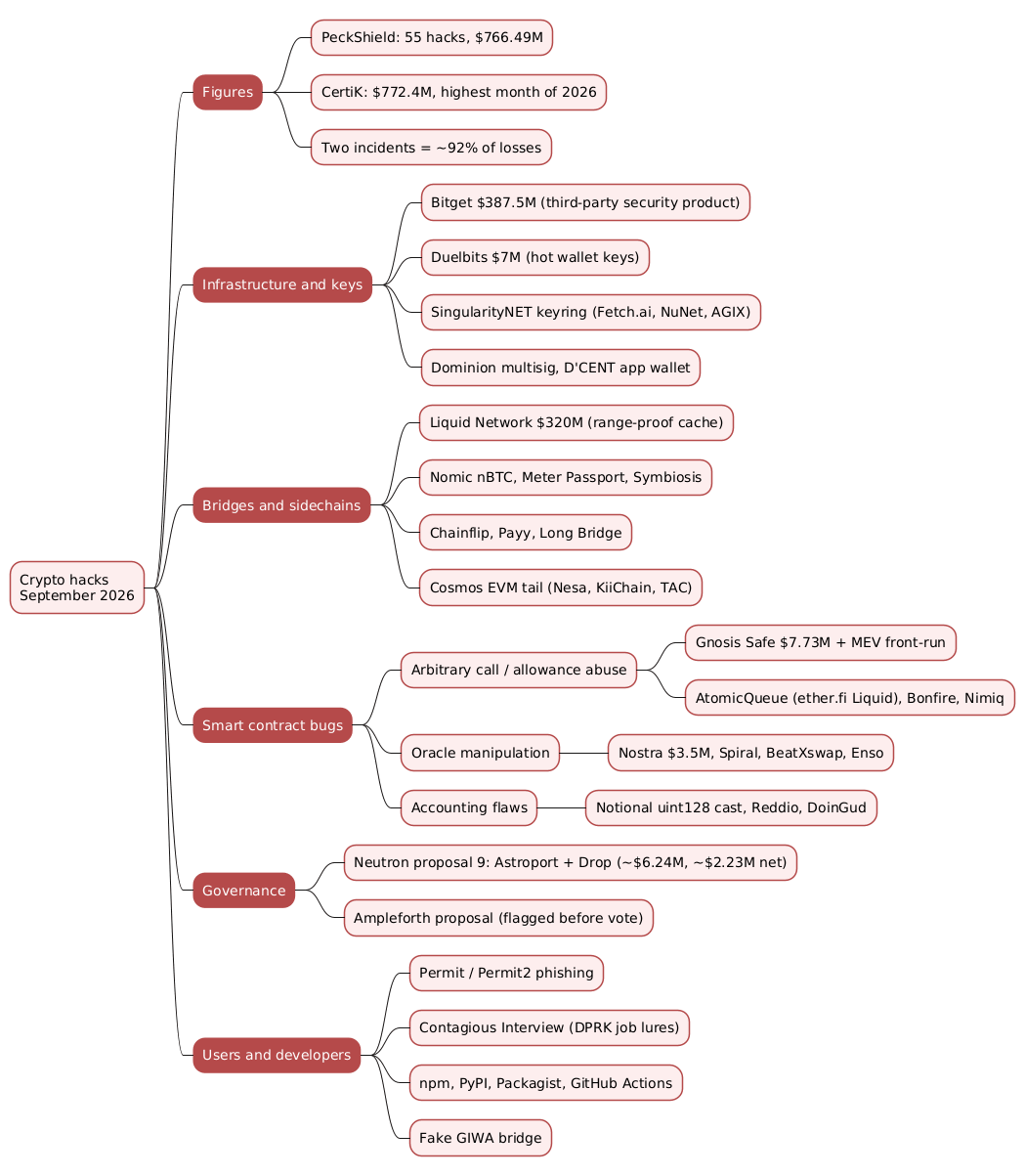
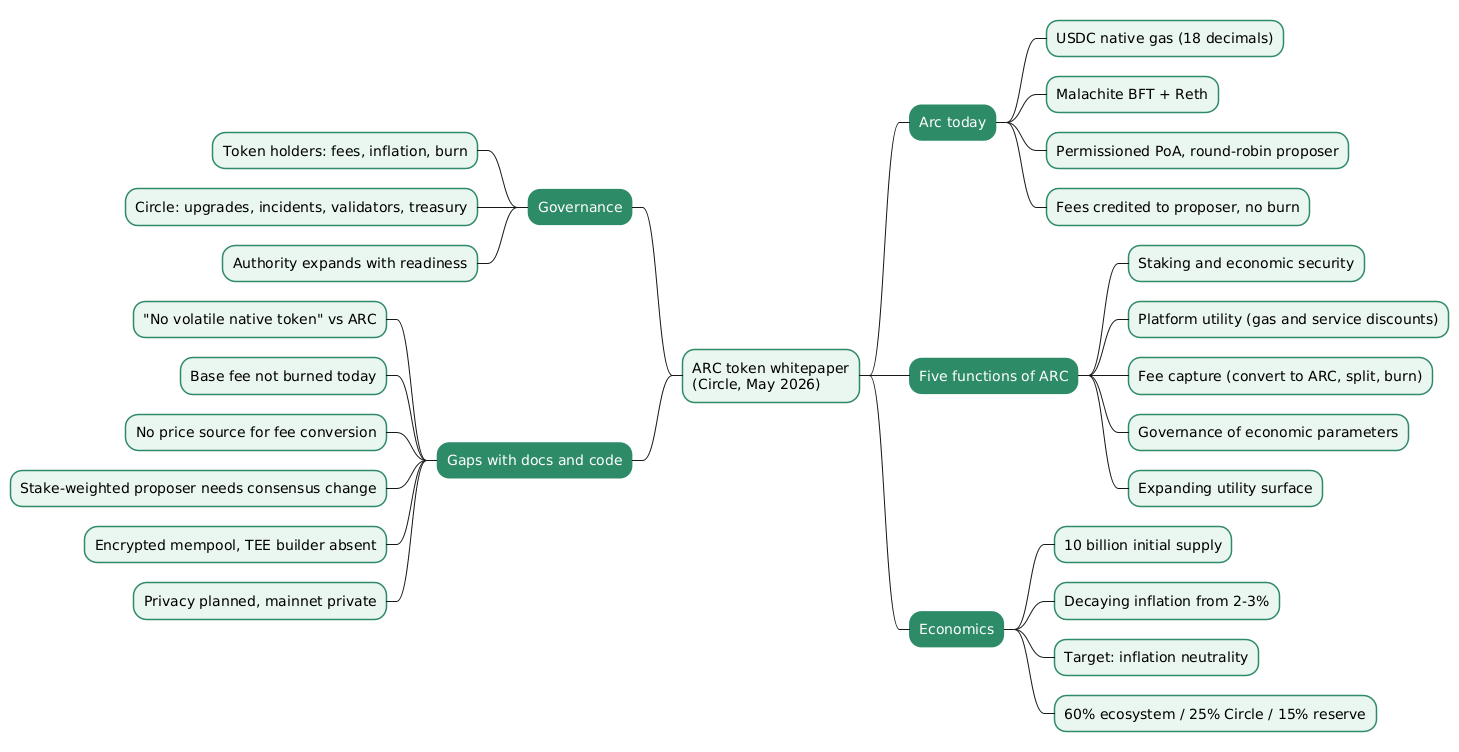
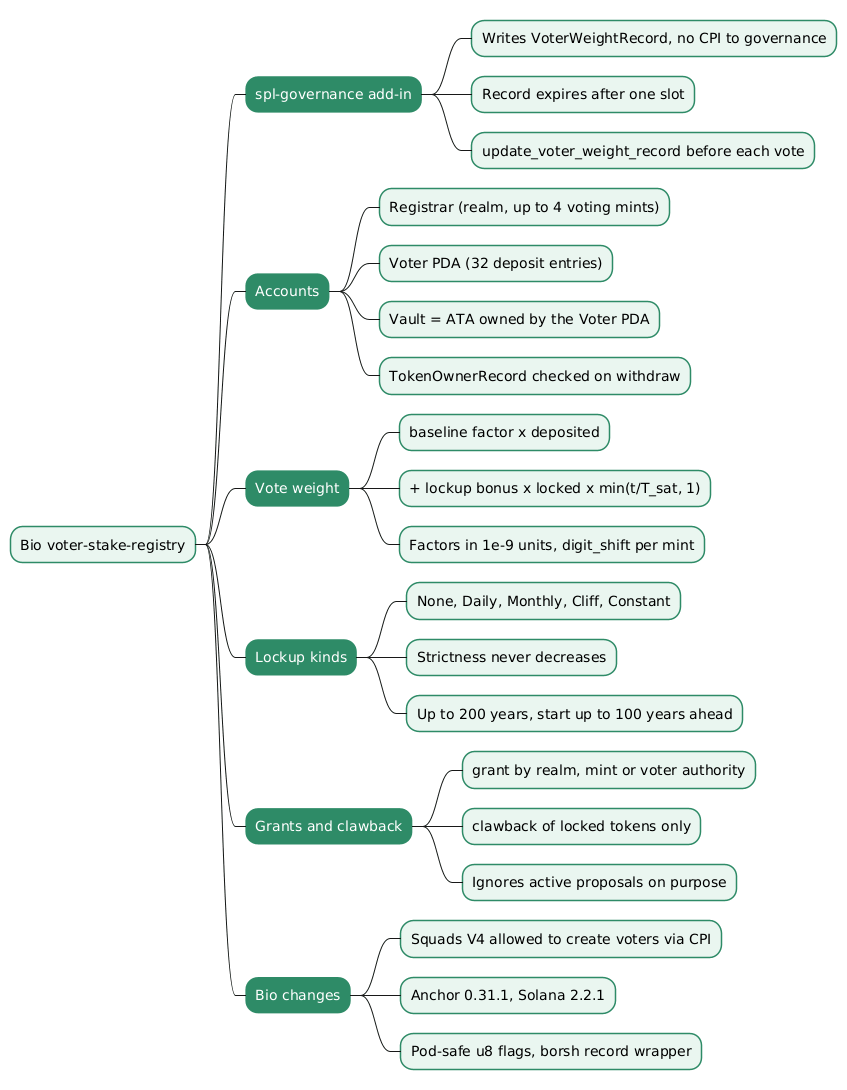
2026, Sep 02 —How decentralised finance protocols actually work, and how they break. Lending markets, tokenised vaults and the ERC-4626 and ERC-7540 standards behind them, stablecoin designs, and the oracle and risk layers everything else depends on.
Bridges recur throughout. Several articles work through cross-chain threat models and then through what happened to the bridges that failed them.
32 posts
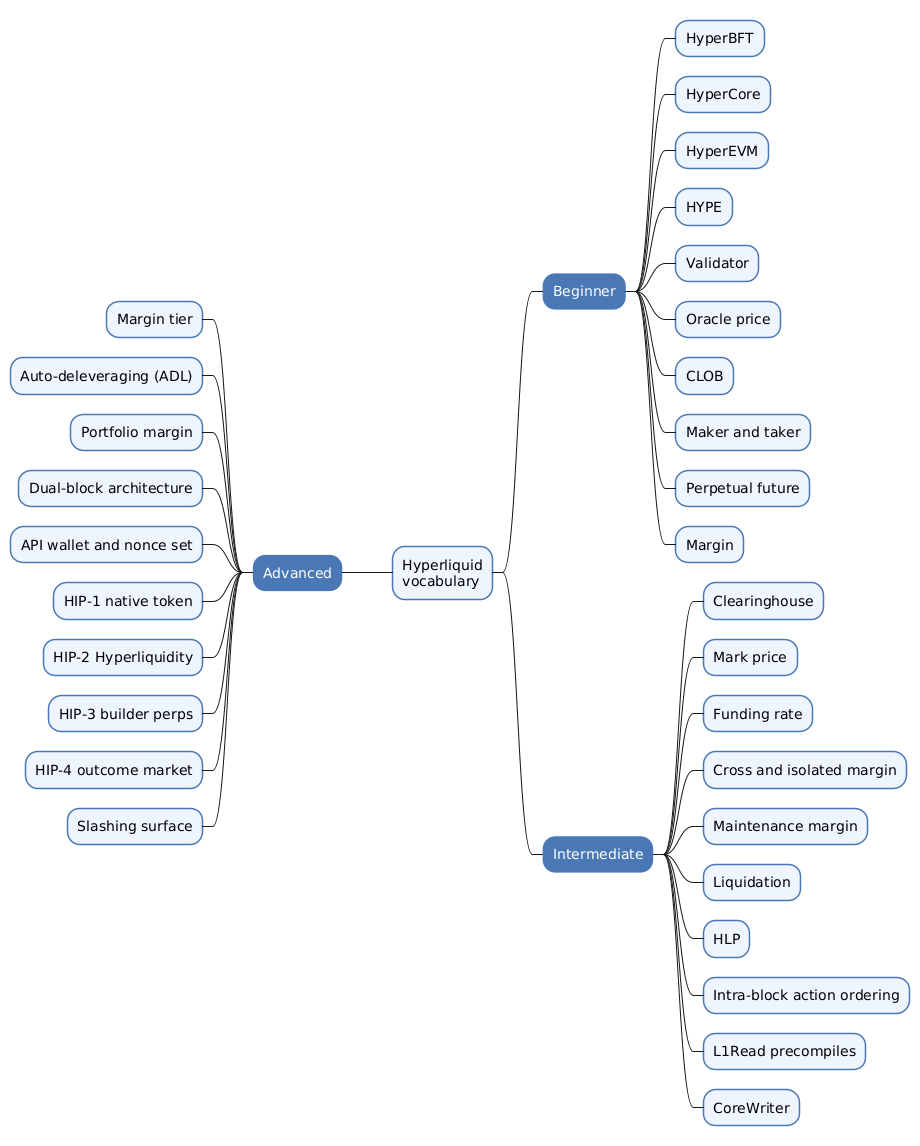
How Hyperliquid runs a native order book and an EVM under one HyperBFT consensus, and how its margining, oracles, liquidations and HIP standards work.
2026, Sep 02 —
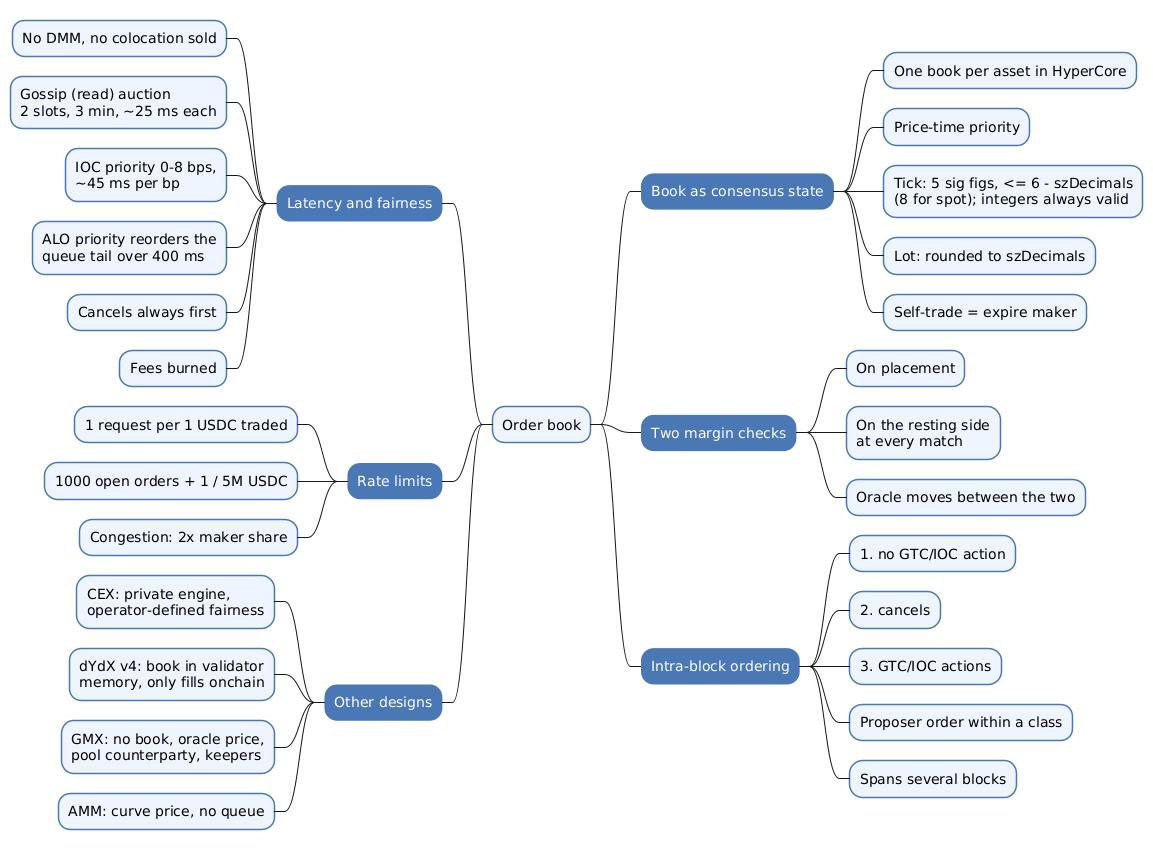
How HyperCore matches orders inside consensus state, why cancels beat aggressive orders in a block, and how that compares with a CEX engine, dYdX v4 and GMX.
2026, Sep 02 —
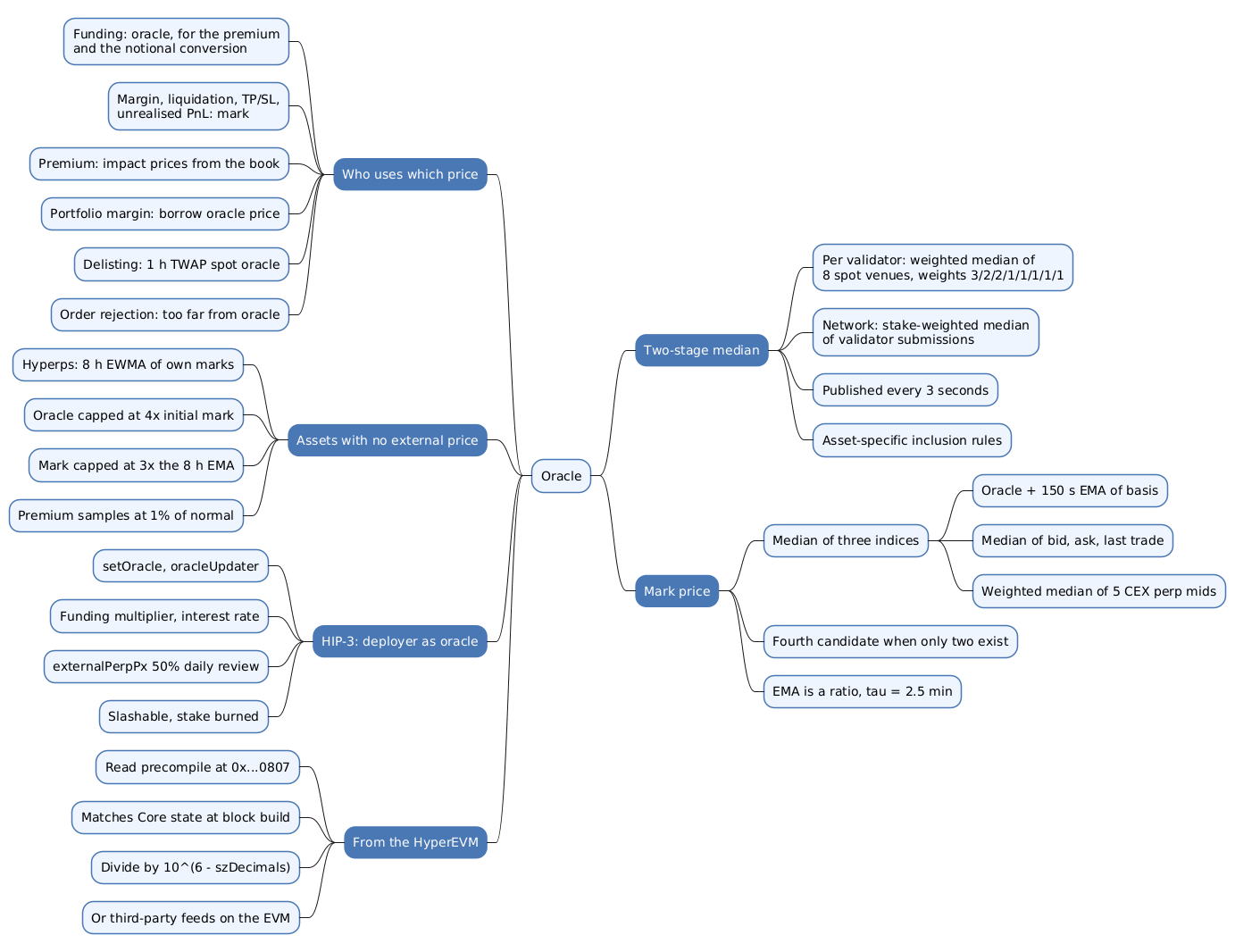
Hyperliquid's oracle is a stake-weighted median of validator medians, published every three seconds. Which price drives funding, margin and liquidation.
2026, Sep 02 —
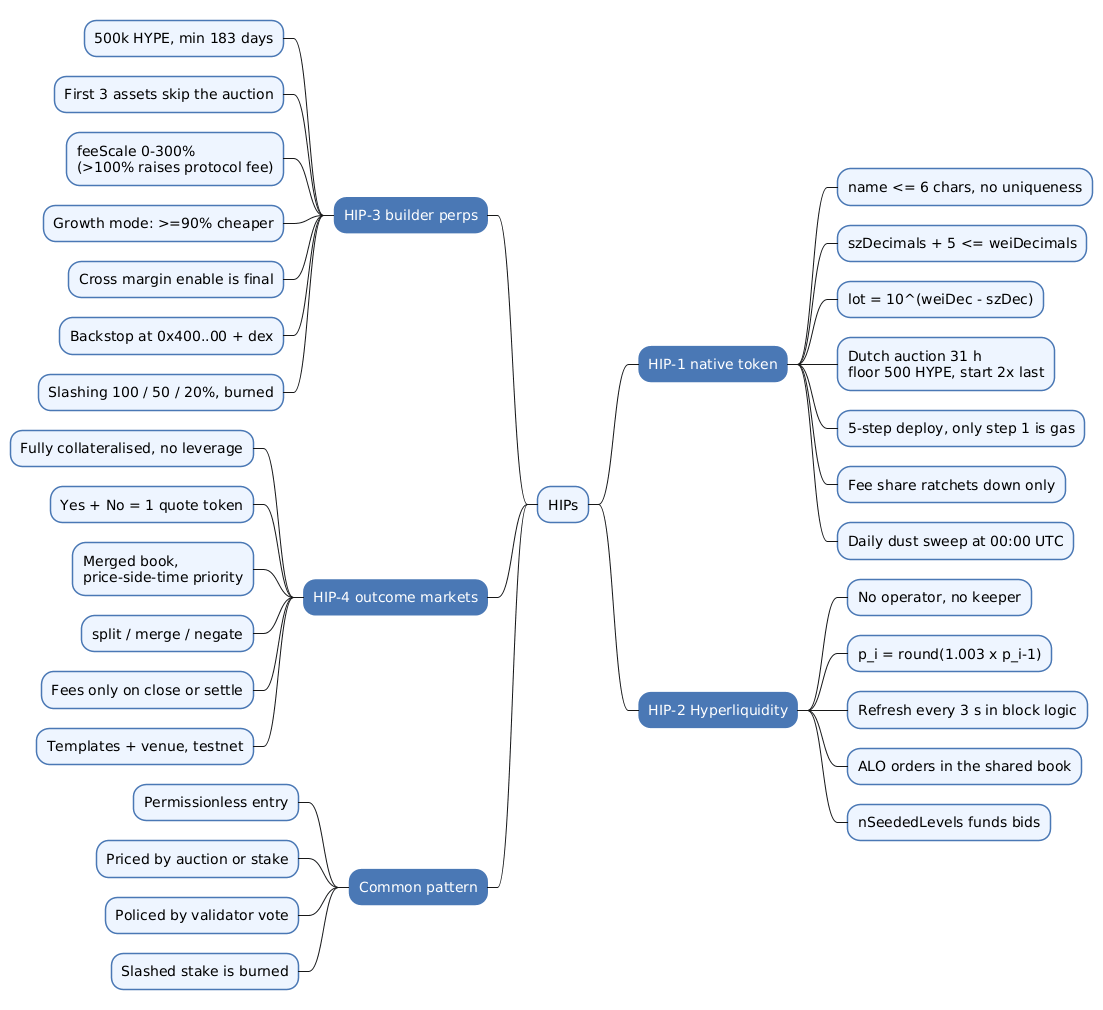
HIP-1 tokens, HIP-2 Hyperliquidity, HIP-3 builder-deployed perps and HIP-4 outcome markets, with the stakes, auctions and slashing rules that gate each one.
2026, Sep 02 —
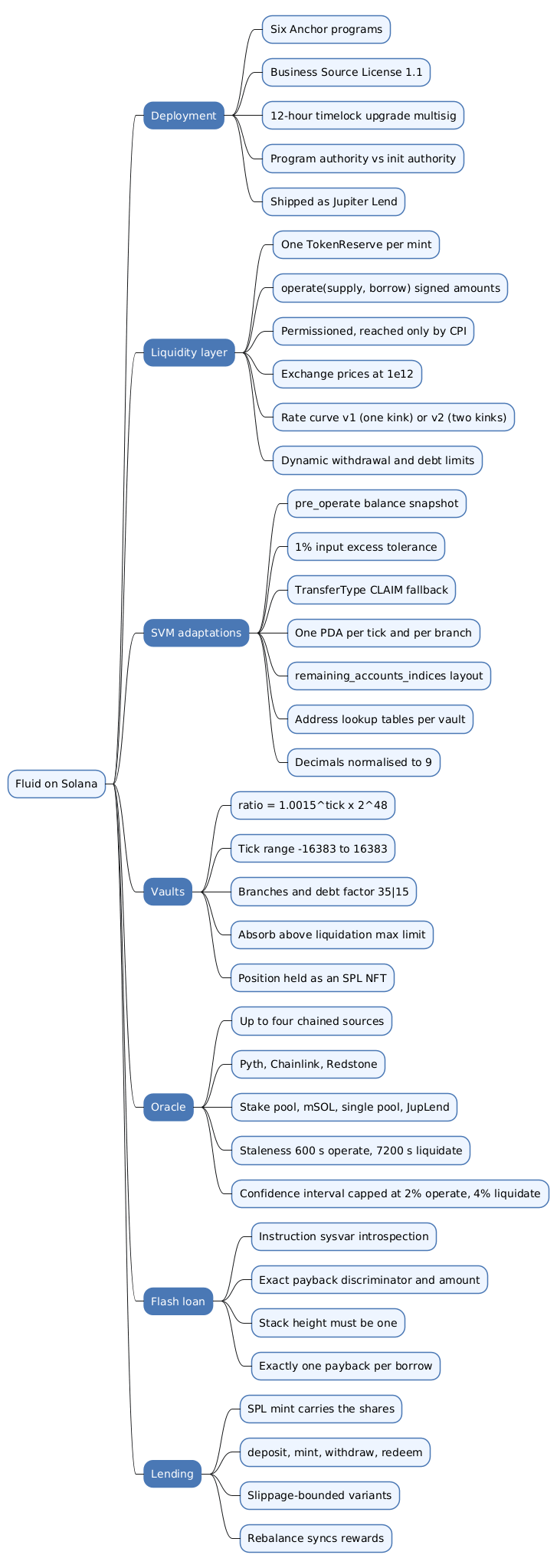
Fluid's liquidity layer runs on Solana as Jupiter Lend. A read of its Anchor programs, from balance-delta deposits and tick PDAs to introspected flash loans.
2026, Aug 26 —
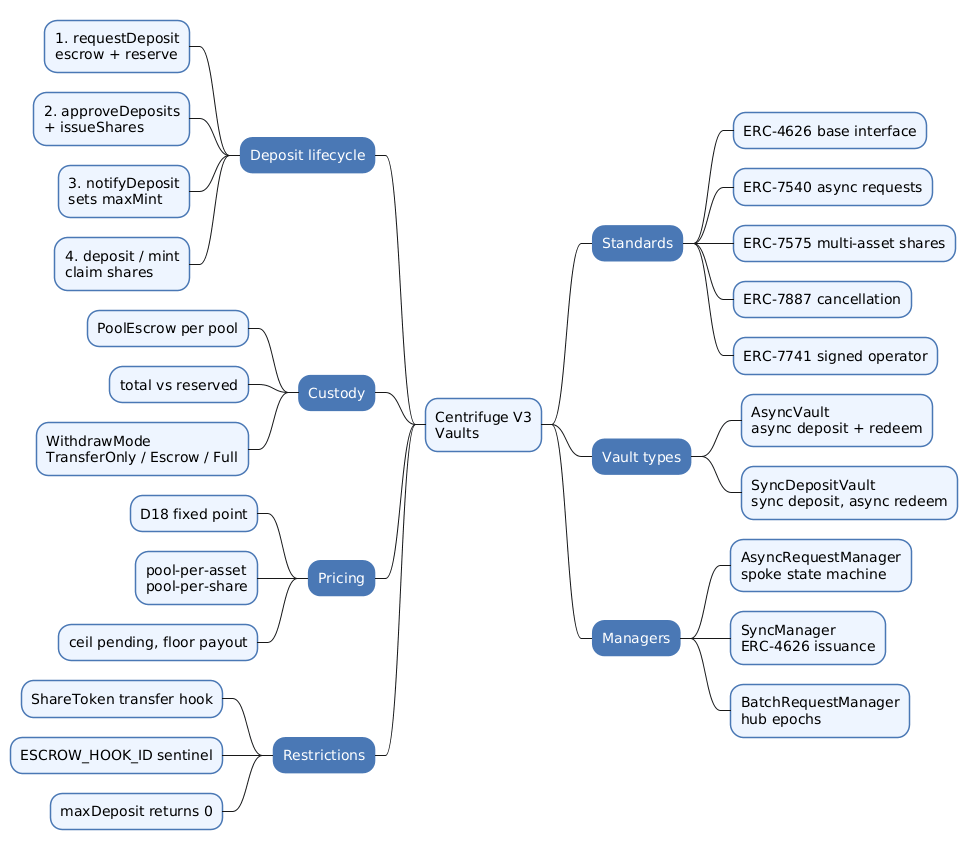
A technical walkthrough of Centrifuge V3 vaults - the ERC-7540 request lifecycle, the pool escrow reservation model, the pricing and rounding rules, and the transfer hook.
2026, Aug 18 —
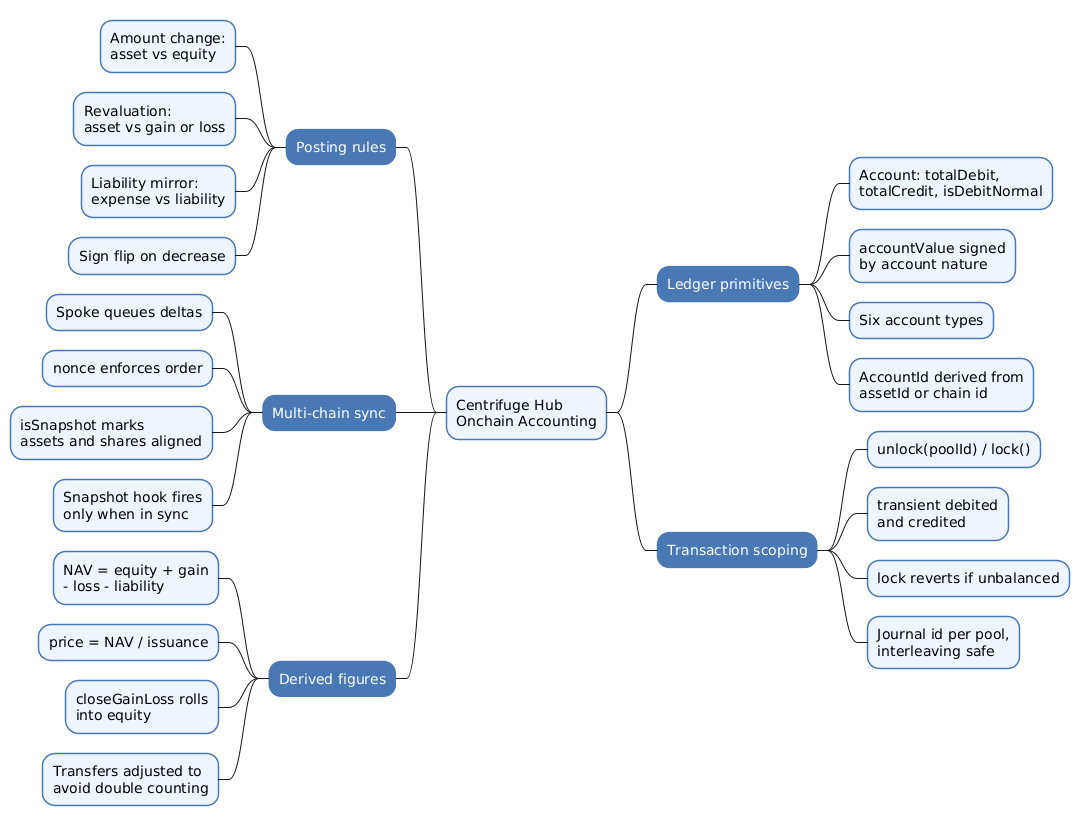
How Centrifuge implements real double-entry accounting in Solidity - debit-normal accounts, balanced journals, cross-chain snapshots, and the NAV and share price derived from them.
2026, Aug 18 —
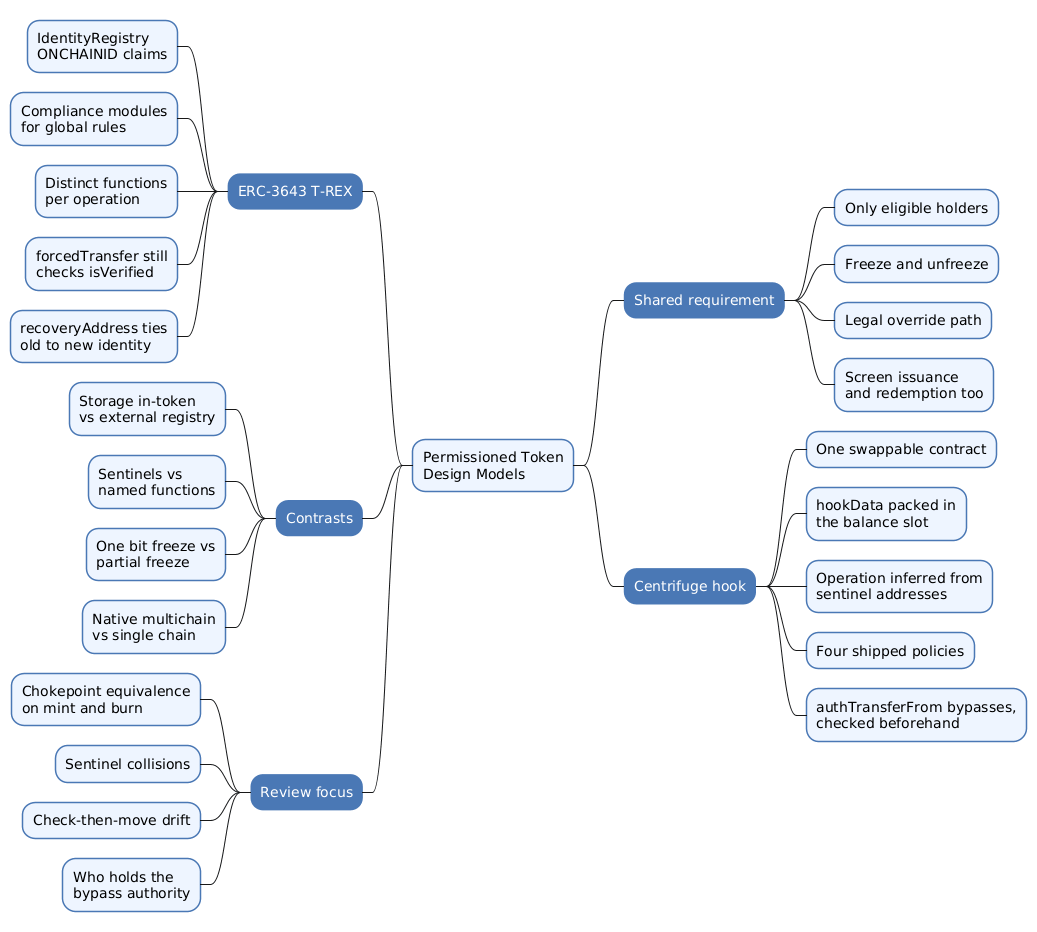
A comparison of two enforcement architectures for regulated tokens - Centrifuge's single swappable hook with packed eligibility data, and ERC-3643's identity registry plus compliance modules.
2026, Aug 18 —
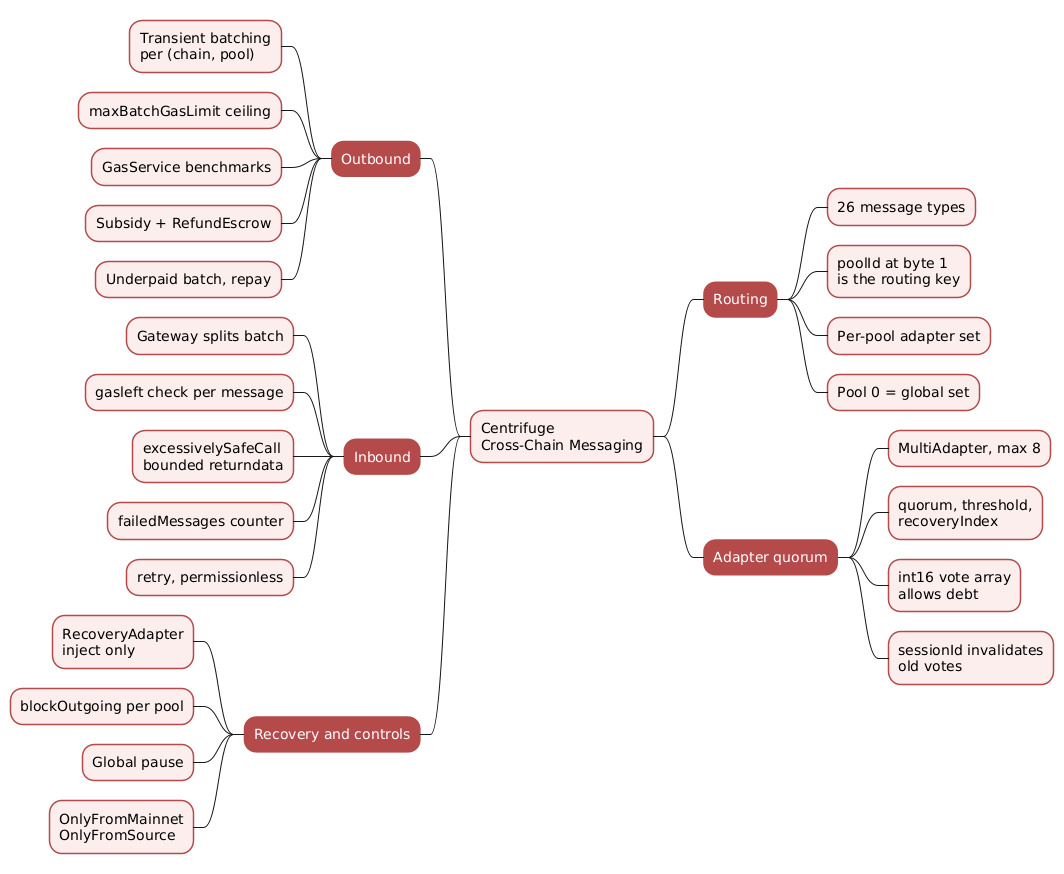
How Centrifuge routes messages between chains - per-pool adapter sets, an n-of-m vote counter that tolerates duplicates, transient batching, gas subsidies, and the recovery paths.
2026, Aug 18 —
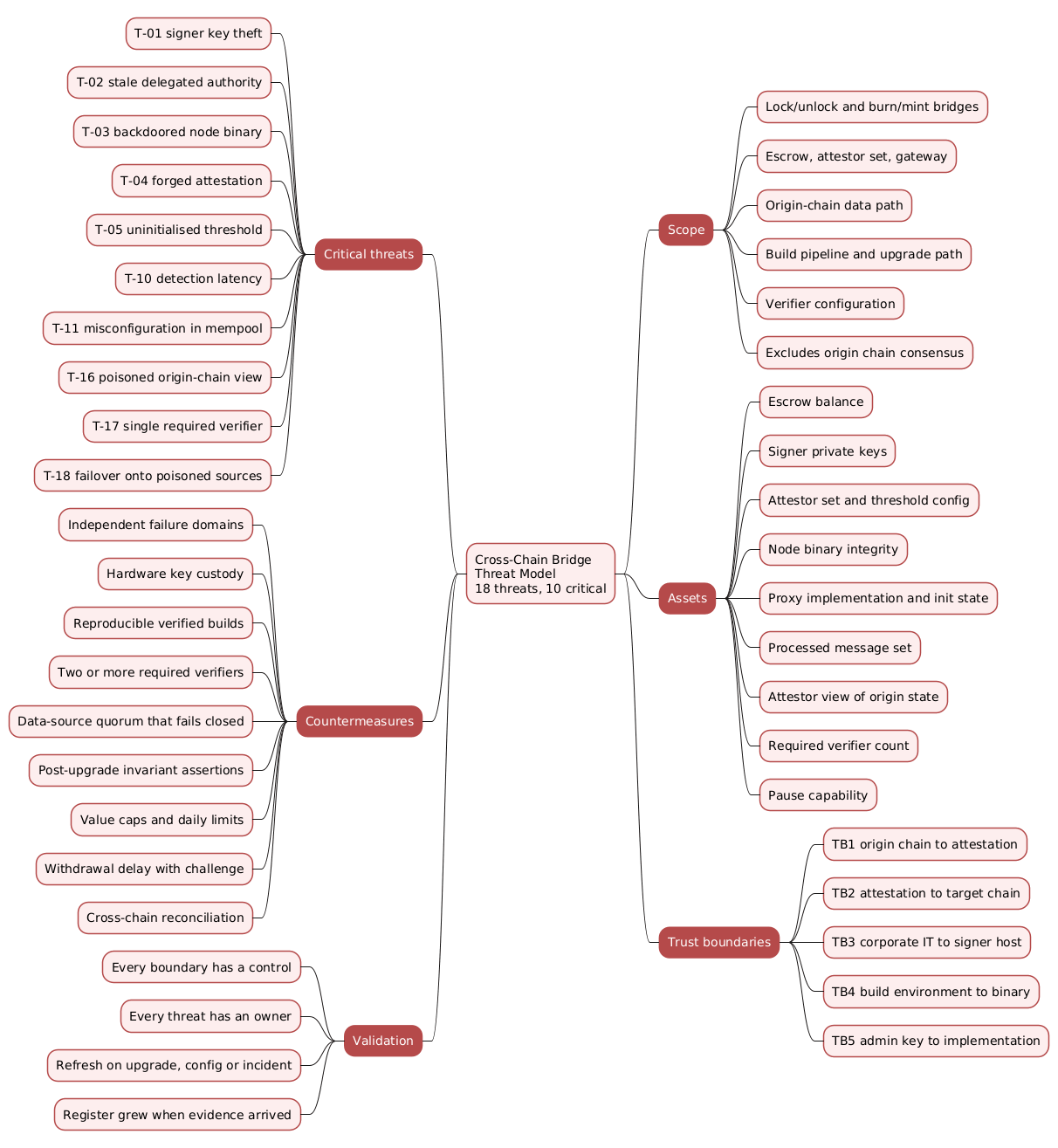
A structured OWASP threat model for cross-chain bridges, built from the Ronin 2022, Poly Network 2023, Ronin 2024 and Kelp DAO 2026 incidents, covering assets, trust boundaries, STRIDE analysis, an attack tree and a prioritised threat register.
2026, Jul 31 —
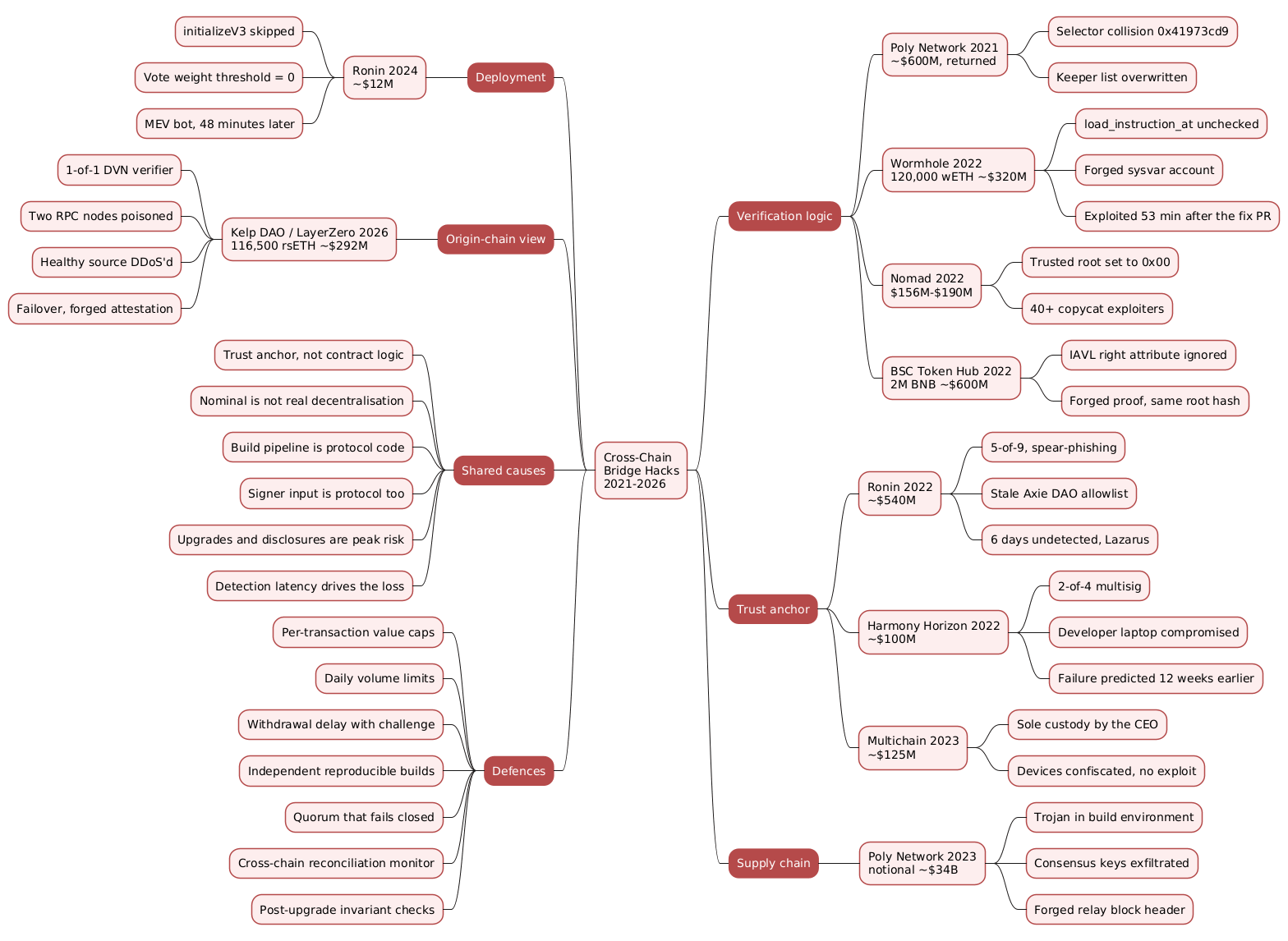
A comparative analysis of ten major cross-chain bridge exploits between 2021 and 2026, grouped into five failure classes, covering the architecture of each bridge, the root cause of each failure, and the destination of the stolen funds.
2026, Jul 31 —
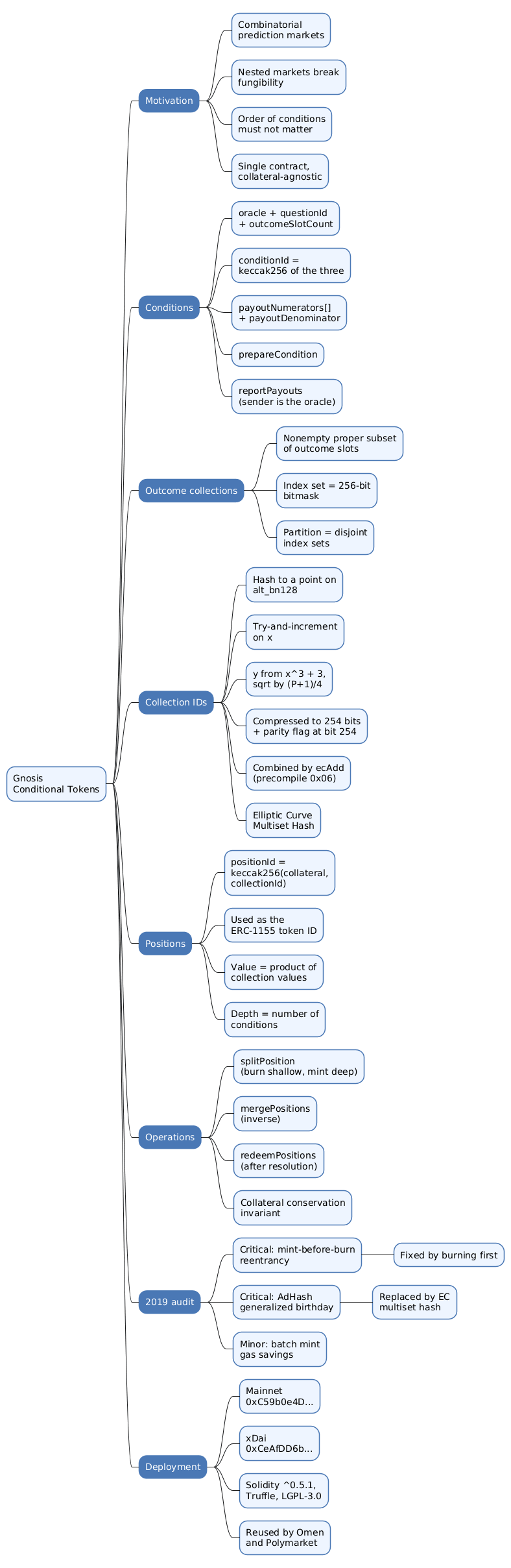
How the Gnosis Conditional Tokens contracts model prediction markets, why collection identifiers are elliptic curve points on alt_bn128, and what the 2019 audit found.
2026, Jul 28 —
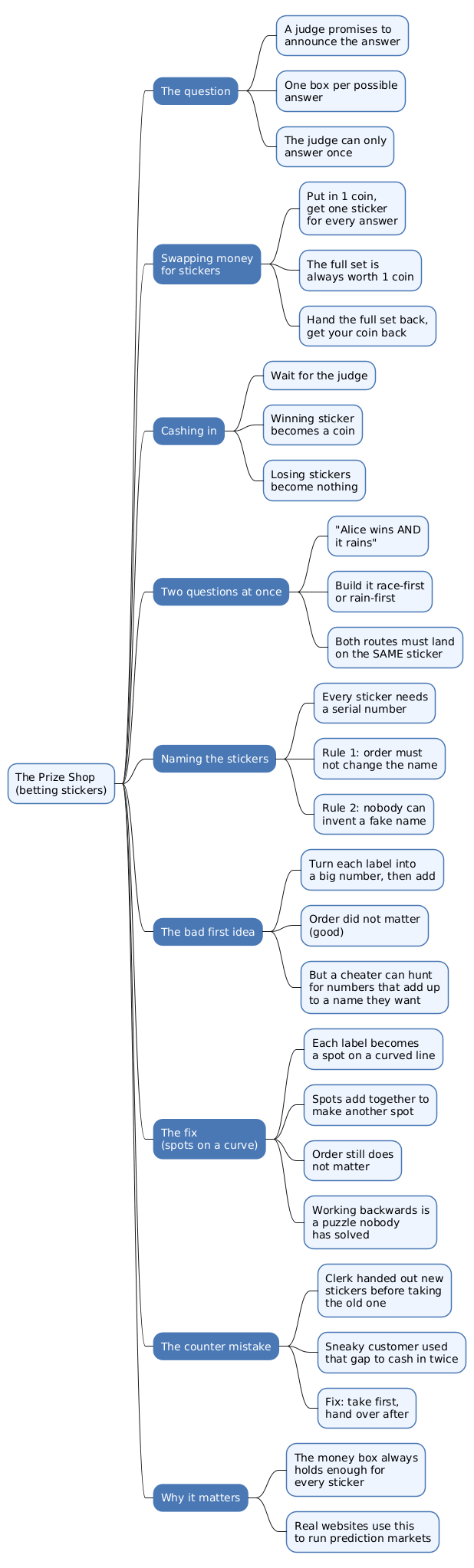
A simple guide to conditional tokens, the stickers that turn into money once a question is answered. Explained with a school fair prize shop, a locked money box, and a clever way of naming things.
2026, Jul 28 —
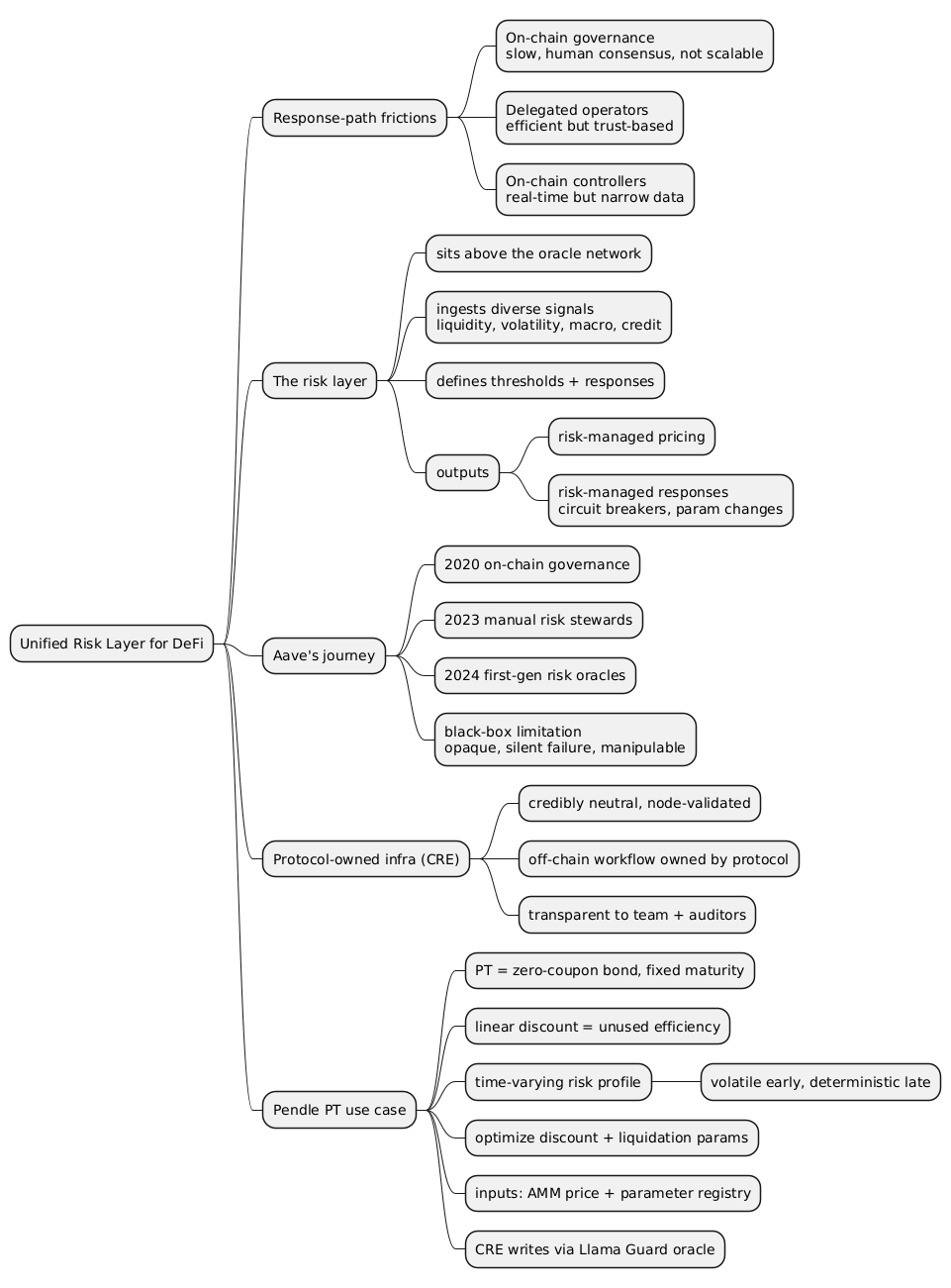
Why DeFi needs a unified risk layer above the price oracle stack, how Aave evolved from governance to risk oracles, and how protocol-owned risk infrastructure prices Pendle PT tokens.
2026, Jul 02 —
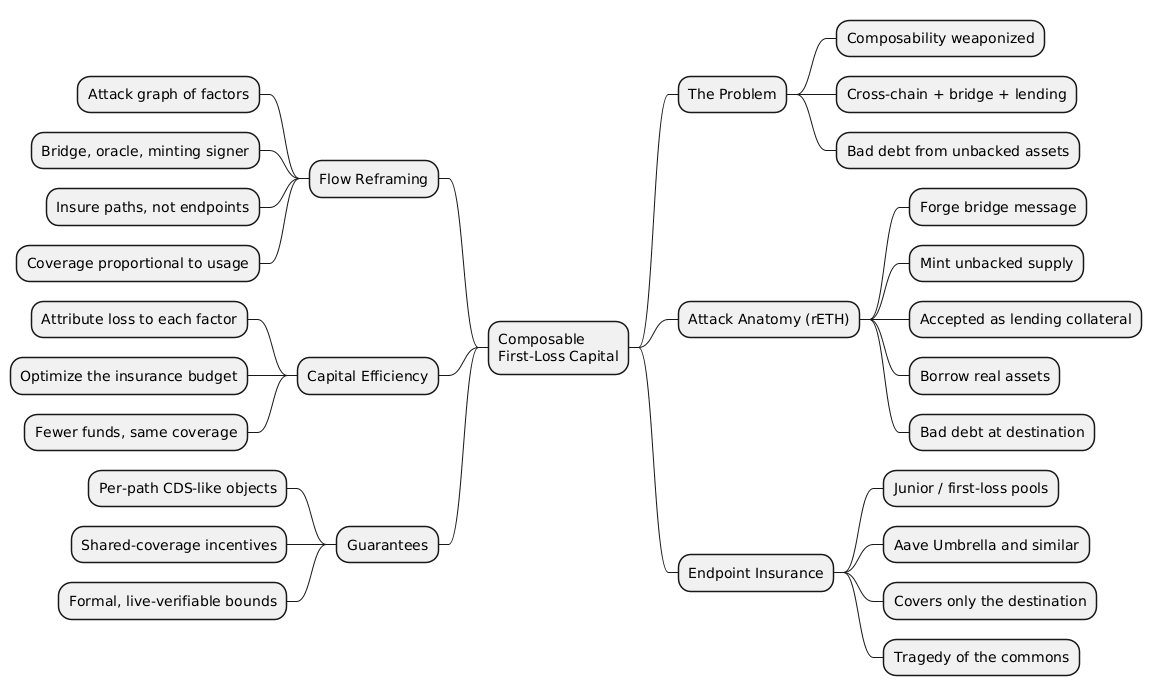
How to insure composable DeFi more efficiently by placing first-loss capital along the attack graph (bridges, oracles, signers) instead of only at protocol endpoints.
2026, Jul 02 —
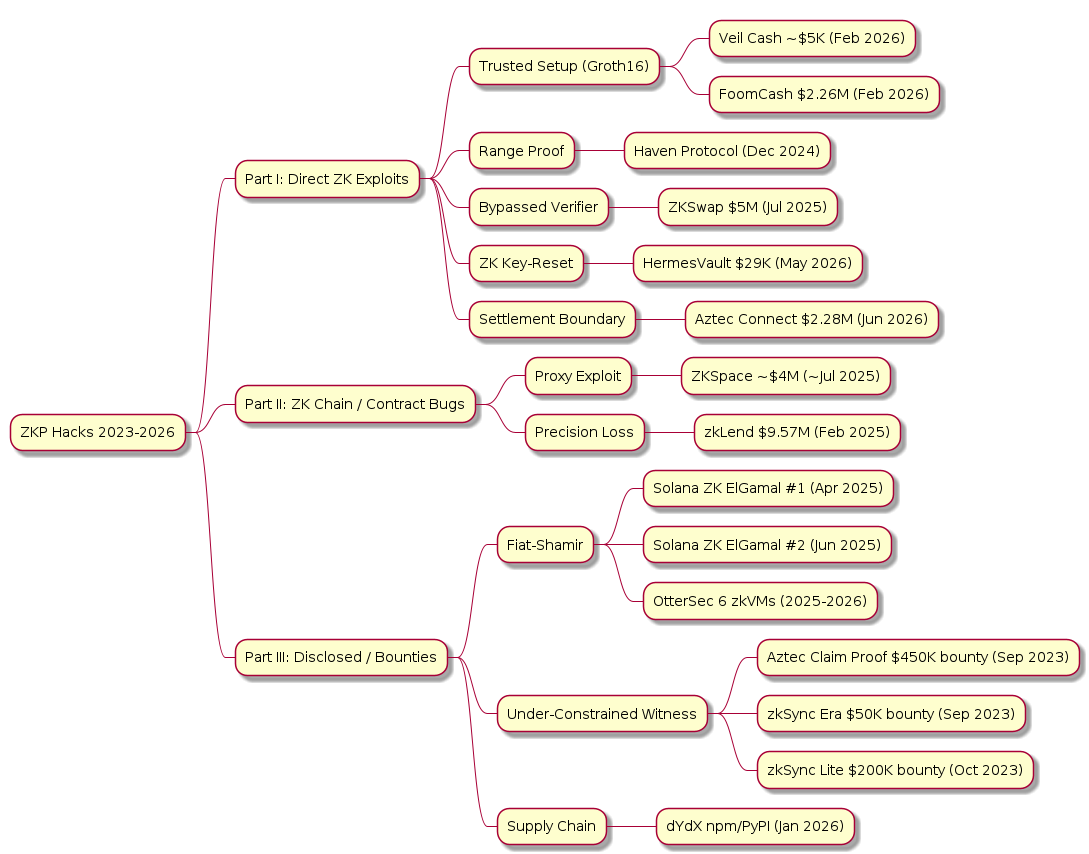
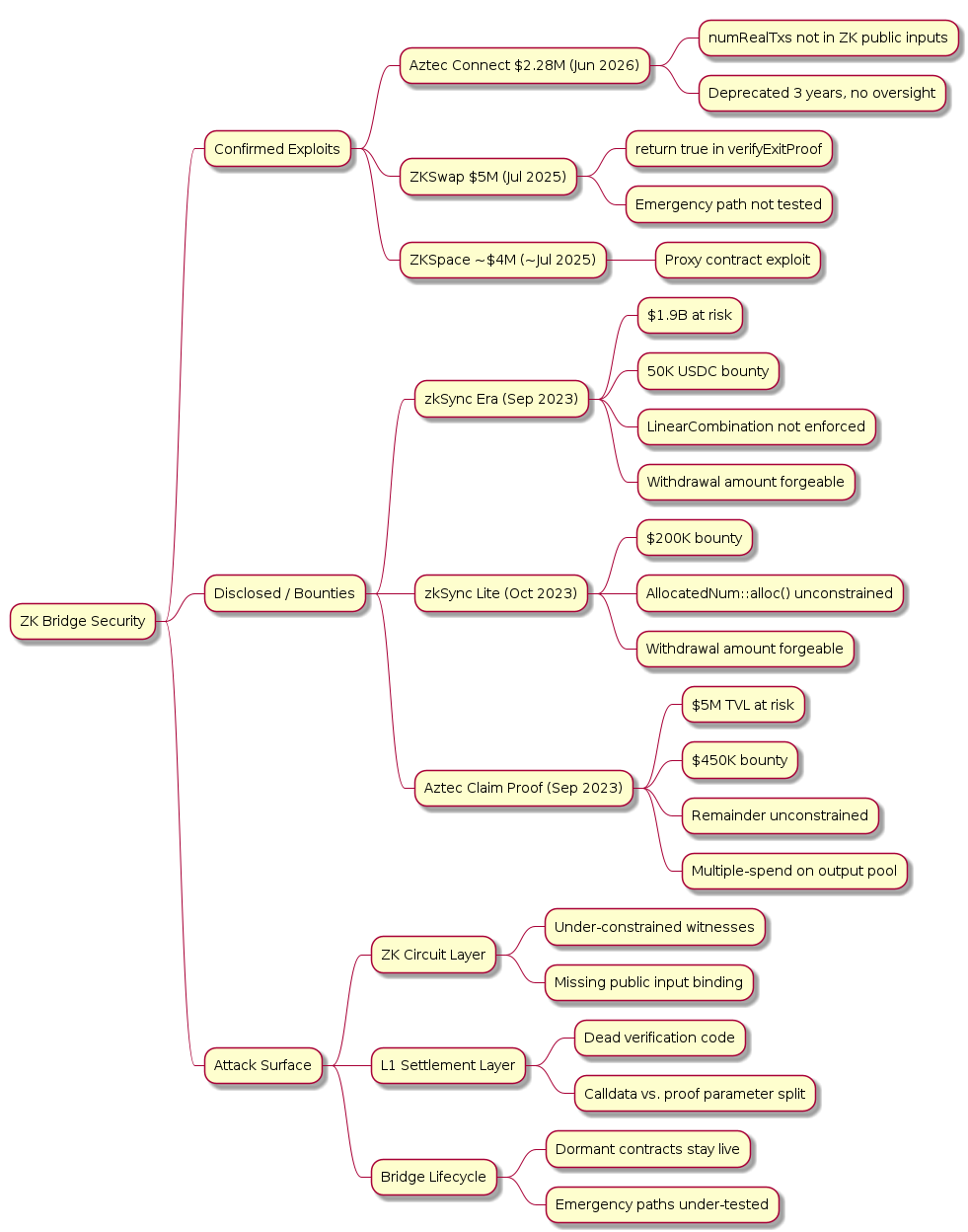
A chronological record of confirmed hacks, disclosed vulnerabilities, and bug bounties in zero-knowledge proof protocols from 2023 to 2026, with technical root cause analysis for each incident.
2026, Jun 19 —
An analysis of security incidents in ZK-rollup bridges from 2023 to 2026, covering confirmed exploits, circuit-level vulnerability disclosures, and bug bounties targeting ZK withdrawal and settlement mechanisms.
2026, Jun 19 —
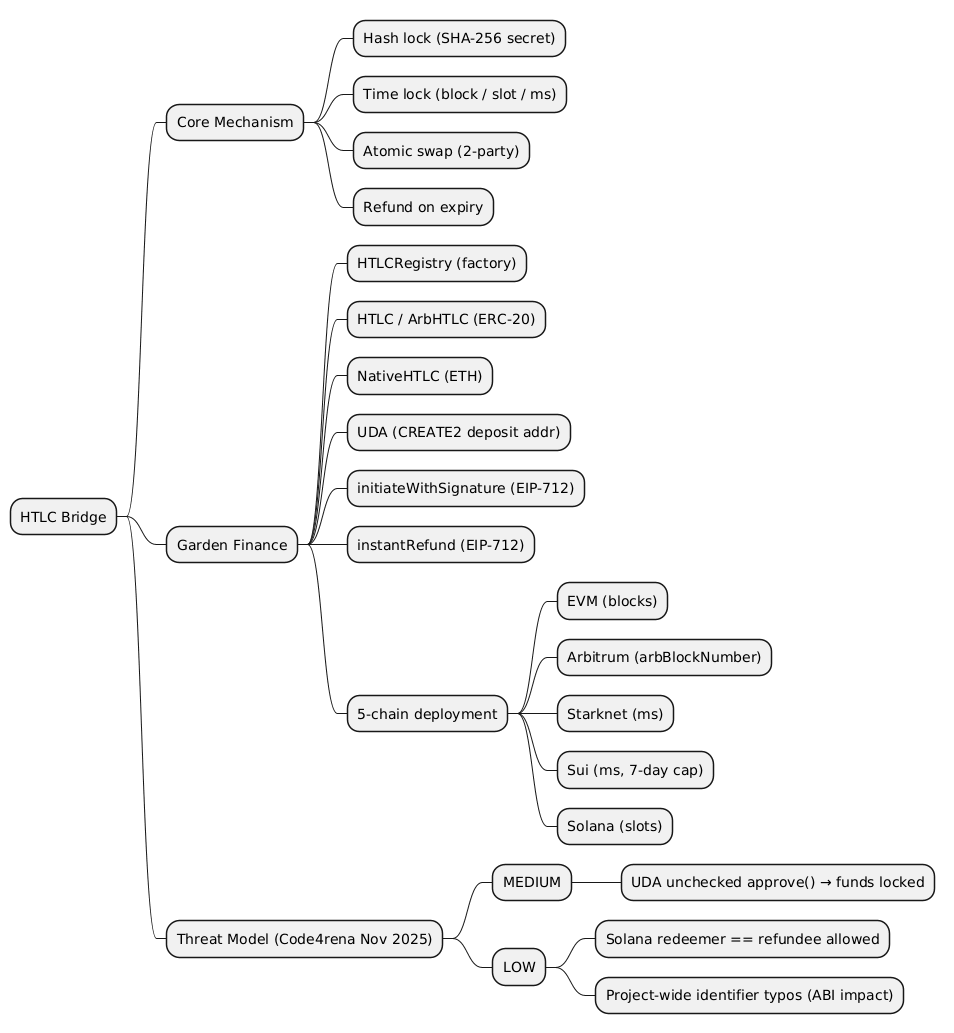
A deep-dive into Hash Time-Locked Contracts (HTLCs) - how they work cryptographically, how Garden Finance uses them for a trustless Bitcoin bridge, and the threat model behind the protocol.
2026, May 11 —
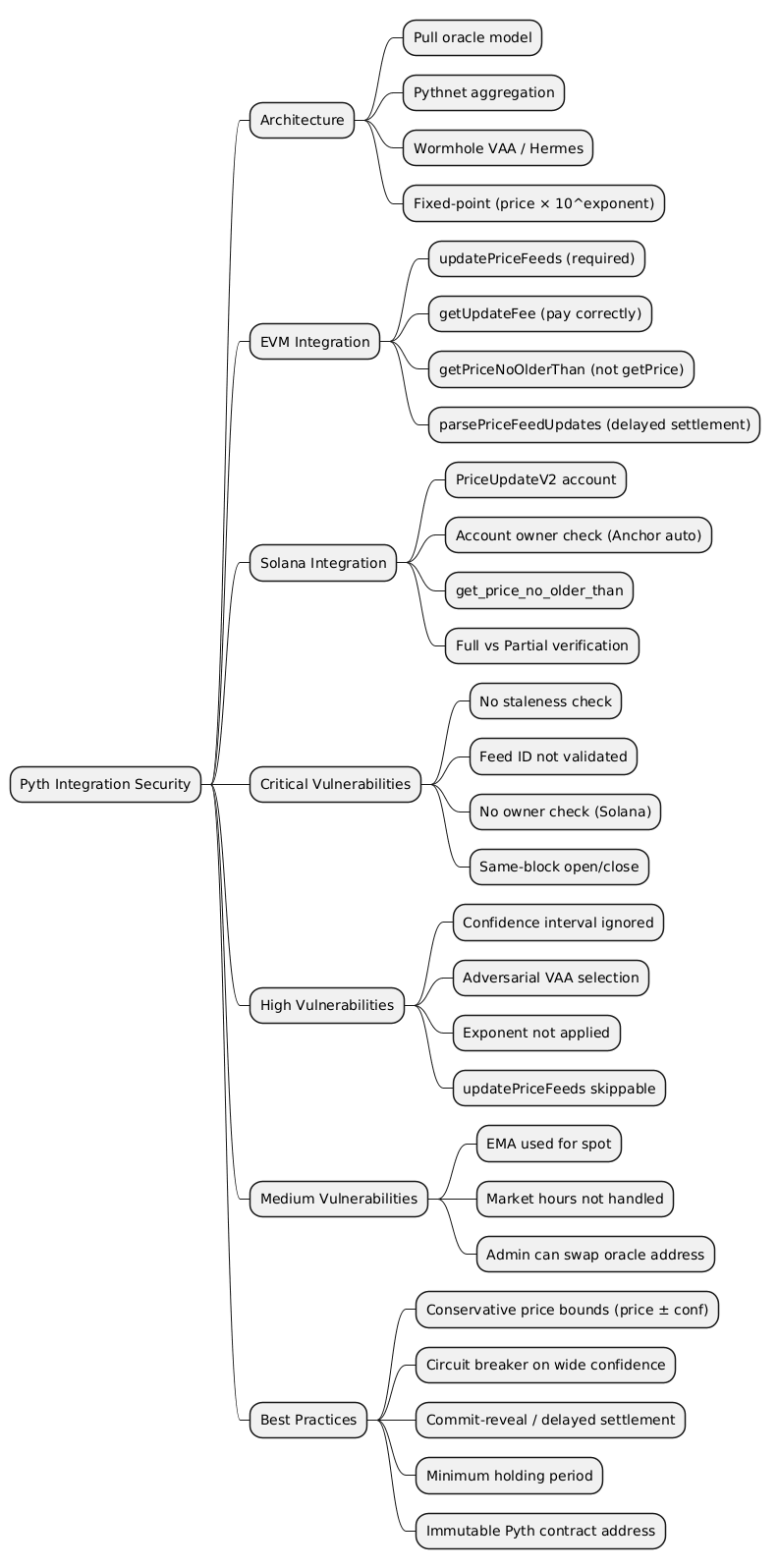
Learn how to integrate Pyth Network pull oracle price feeds in Solidity and Solana programs, with a deep focus on security pitfalls — staleness, confidence intervals, fixed-point math, and adversarial selection.
2026, Mar 13 —
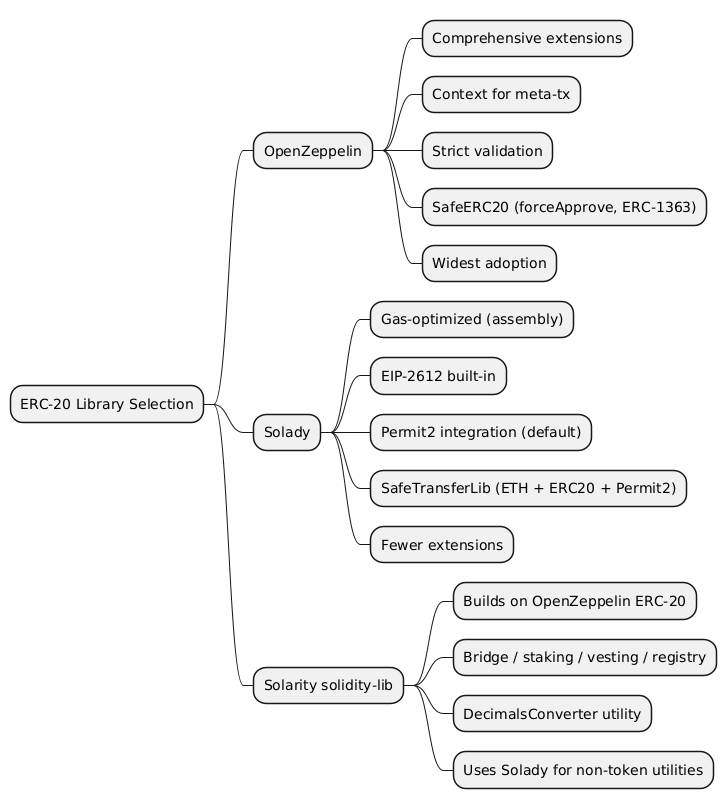
A technical comparison of ERC-20 token implementations across OpenZeppelin Contracts, Solady, and Solarity solidity-lib. Covers features, gas efficiency, architecture, extensibility, and selection criteria.
2026, Feb 13 —
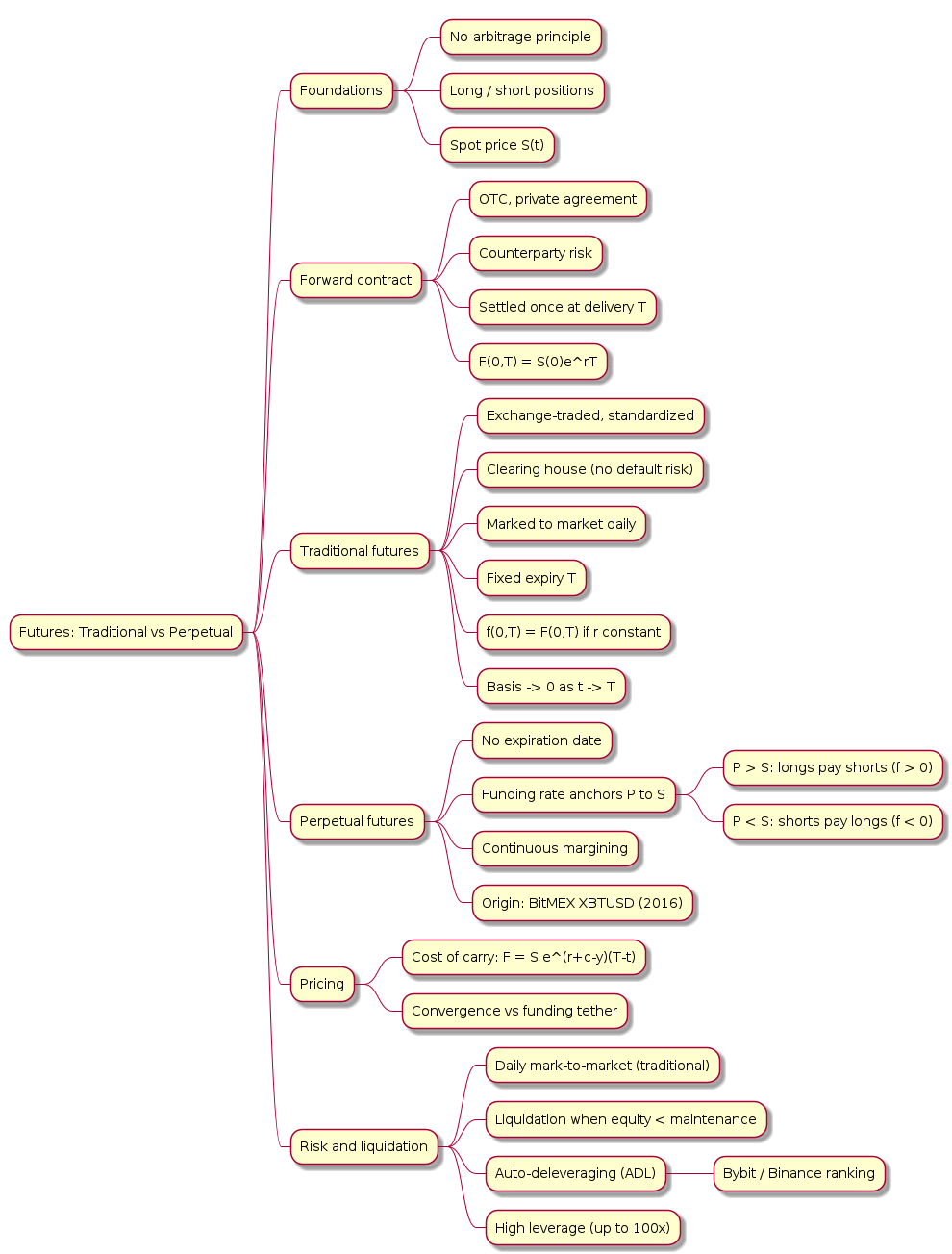
A technical comparison of traditional futures and crypto perpetual futures, covering no-arbitrage pricing, mark-to-market settlement, the funding rate mechanism, and liquidation.
2025, Dec 29 —
Automated Market Makers (AMMs) are an essential piece of decentralized finance (DeFi). This article covers the most commonly used formulas in AMM design, their benefits, and their limitations.
2025, Jul 29 —This article analyze the features, architecture, and implications of the Solidity version deployed on Ethereum mainet, especially from a security, centralization, and functional standpoint.
2025, Jul 06 —
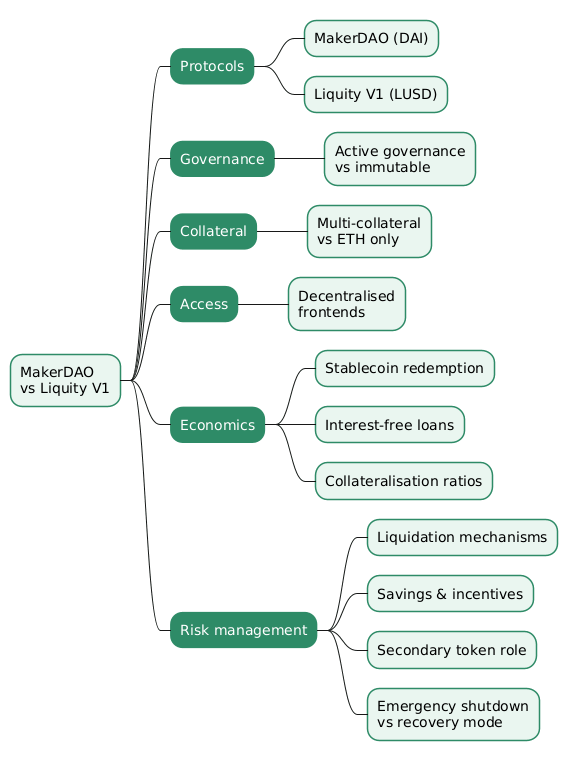
Dives deep and explains how Liquity differs from Maker DAO.
2024, Dec 16 —
Virtuals Protocol is a co-ownership layer for AI agents in gaming and entertainment. These agents can operate across a wide range of applications and games, significantly expanding their revenue surface area. AI agents can be to be tokenized and co-owned via blockchain.
2024, Dec 05 —
The CoW protocol allows users to trade assets through signed messages (intents)instead of direct on-chain transaction to save gas, find optimal prices and protect orders from MEV.
2024, Nov 21 —
This article presents the architecture and the behavior of Compound V2, a DeFi protocol on Ethereum for supplying or borrowing assets
2024, Aug 27 —
Size Protocol is a credit marketplace with unified liquidity across maturities. This article presents the liquidation function. This analyze has been done for the Code4Arena contest.
2024, Jul 15 —
Representation of fungible tokens in the various existing blockchains. On Ethereum, its largest representative is the ERC-20 standard.
2024, Jul 12 —
This article presents the oracle implementation from Renzo made during the code4Arena contest
2024, May 30 —
This article presents the liquidation function from the Dyad Stablecoin made during the code4Arena contest
2024, May 02 —
MakerDAO is a DAO managing and issuing the stablecoin DAI, which is designed to maintain a 1:1 peg with the US Dollar.
2023, Nov 21 —