Explained for a 10-Year-Old
These are the same topics as the rest of the blog, told with analogies instead of formulas. Prediction markets become betting stickers at a school fair; option pricing becomes a ticket to buy something later; the eUTXO model becomes a jar of coins.
Each article has a technical counterpart elsewhere on the site. Read the ELI10 version first if the subject is new, then the full treatment.
9 posts
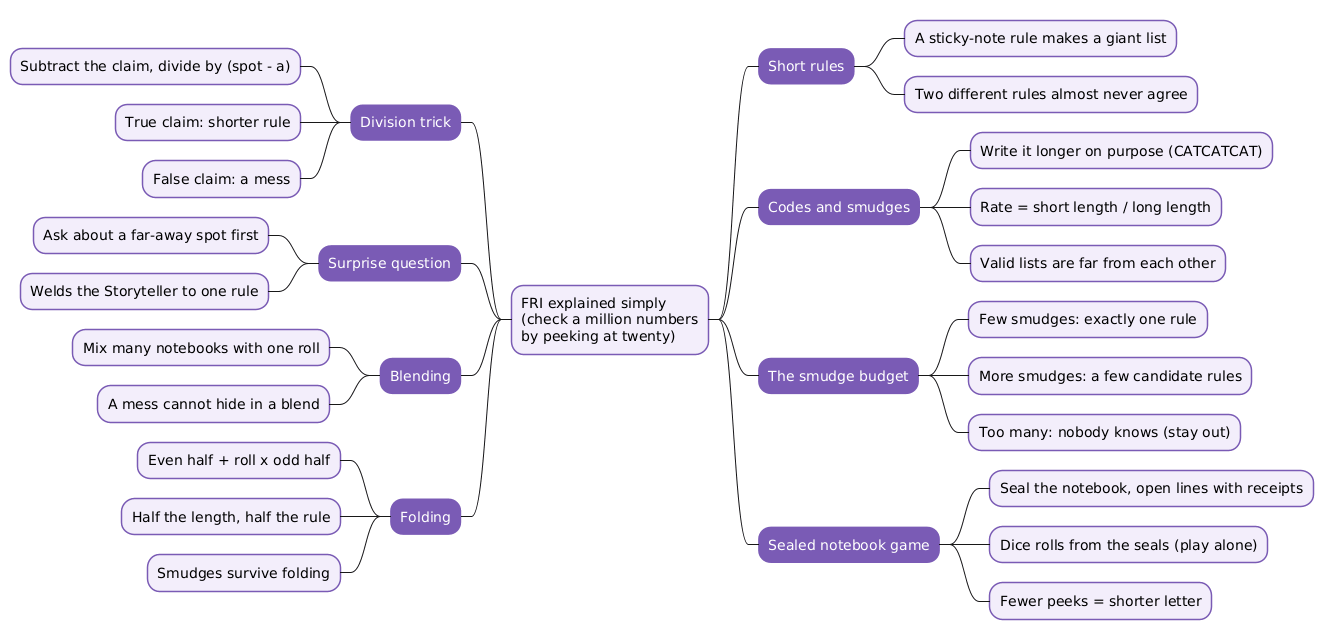
A plain-language guide to FRI and proximity proofs. Secret rules, smudged lists, sealed notebooks, a division trick and paper folding, with worked examples.
2026, Sep 14 —
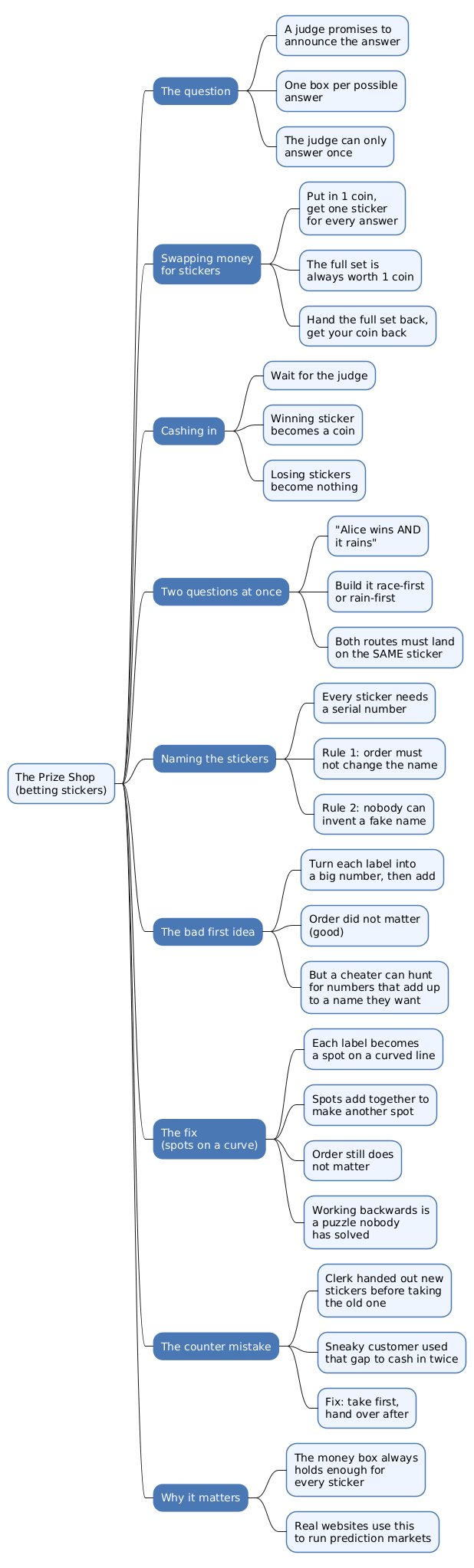
A simple guide to conditional tokens, the stickers that turn into money once a question is answered. Explained with a school fair prize shop, a locked money box, and a clever way of naming things.
2026, Jul 28 —
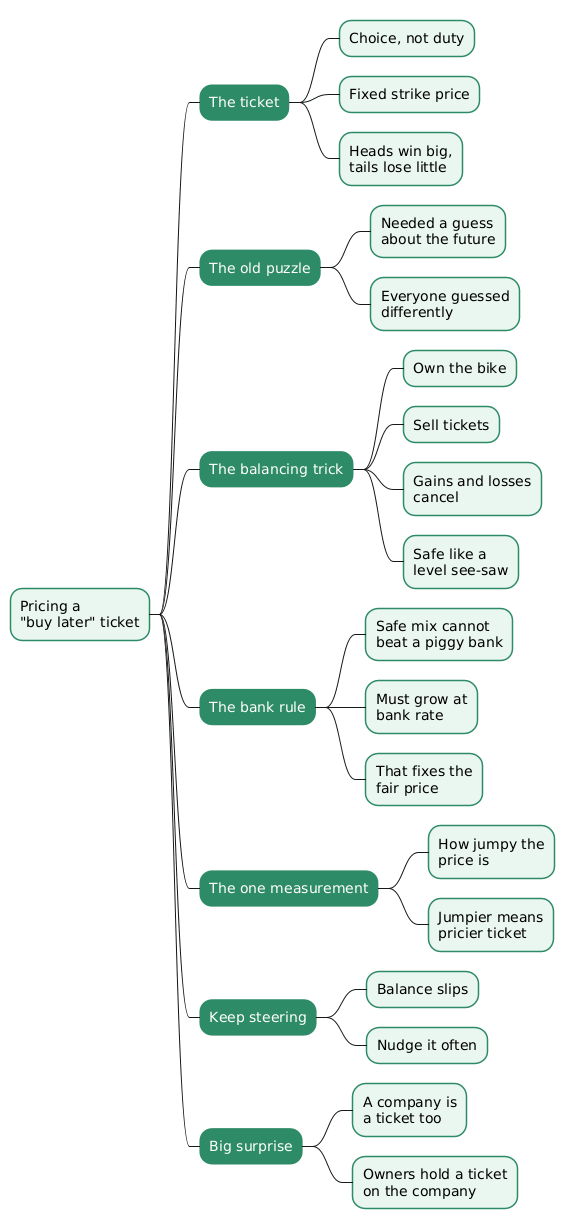
A simple guide to the Black-Scholes model - what an option is, why pricing it was a hard puzzle, and how two clever people solved it, explained with everyday analogies for curious readers.
2026, Jul 18 —
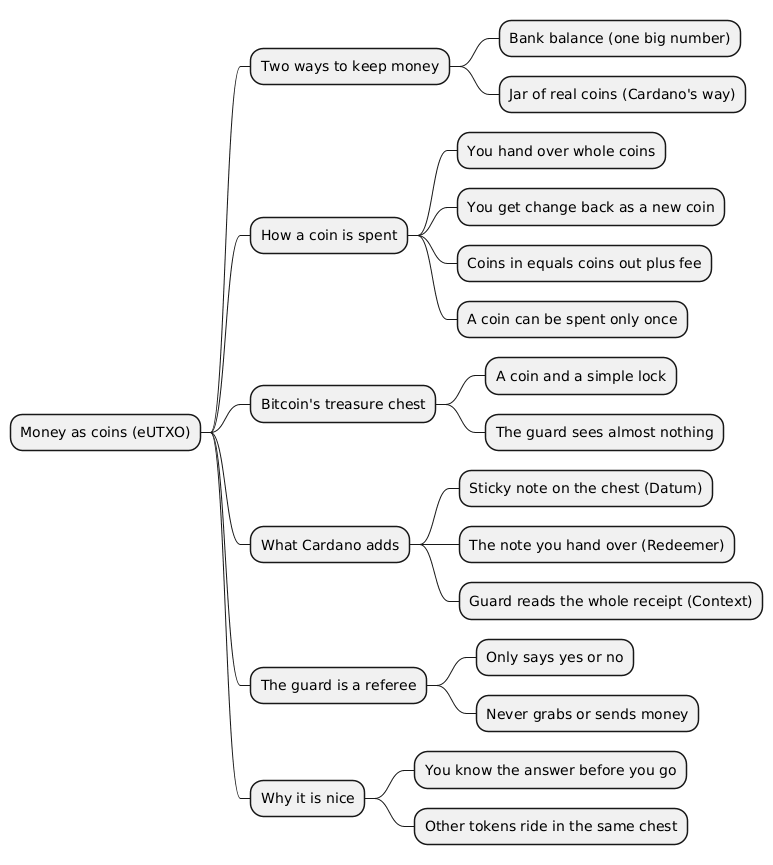
A simple guide to Cardano's eUTXO model, explained with a jar of real coins, sticky notes, and a referee. Shows how it works and how it is different from Bitcoin, for curious readers of all ages.
2026, Jul 16 —
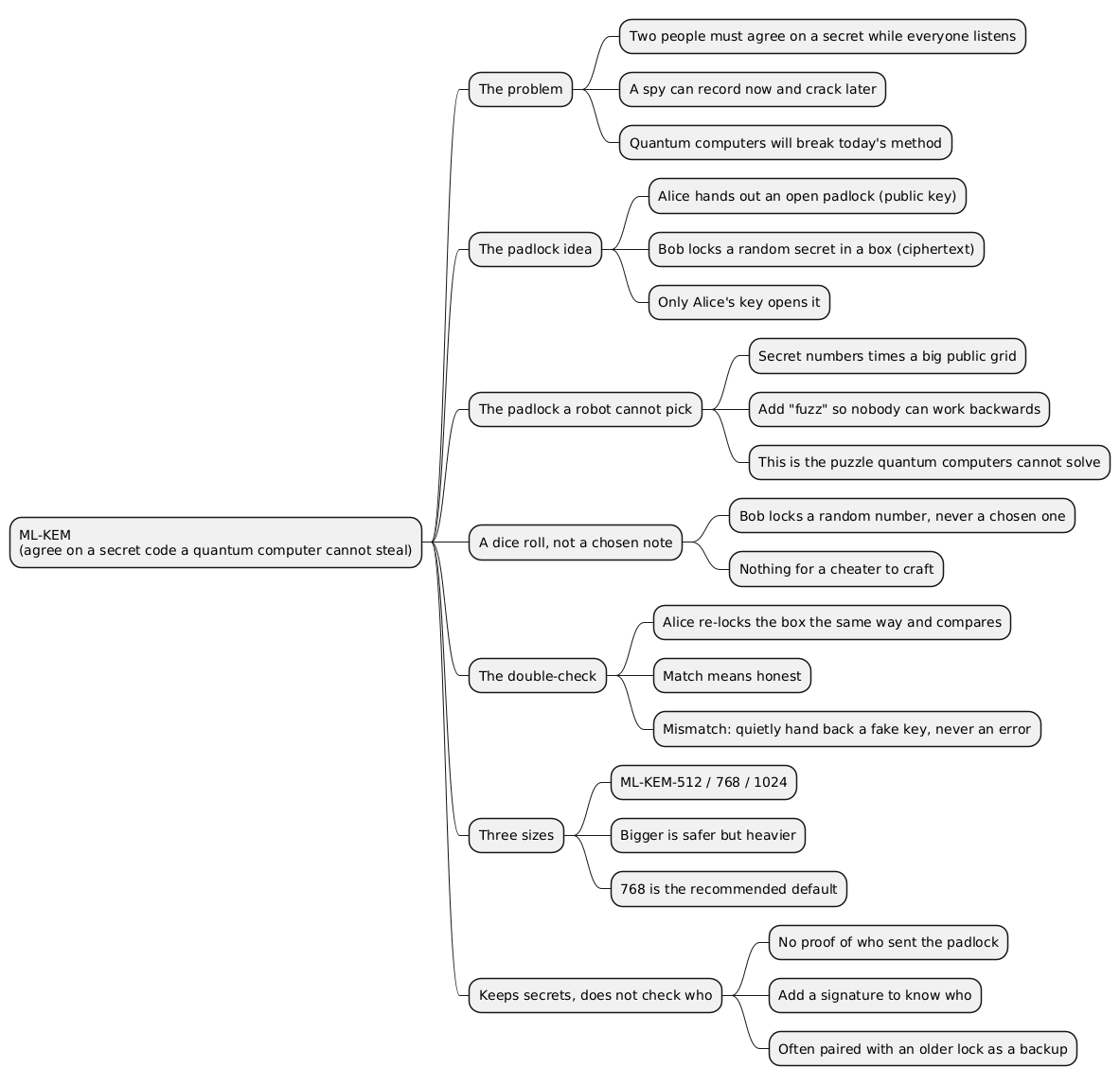
A simple guide to ML-KEM, the new way two computers share a secret code that quantum computers cannot steal, explained with padlocks, locked boxes, and a clever double-check.
2026, Jul 03 —
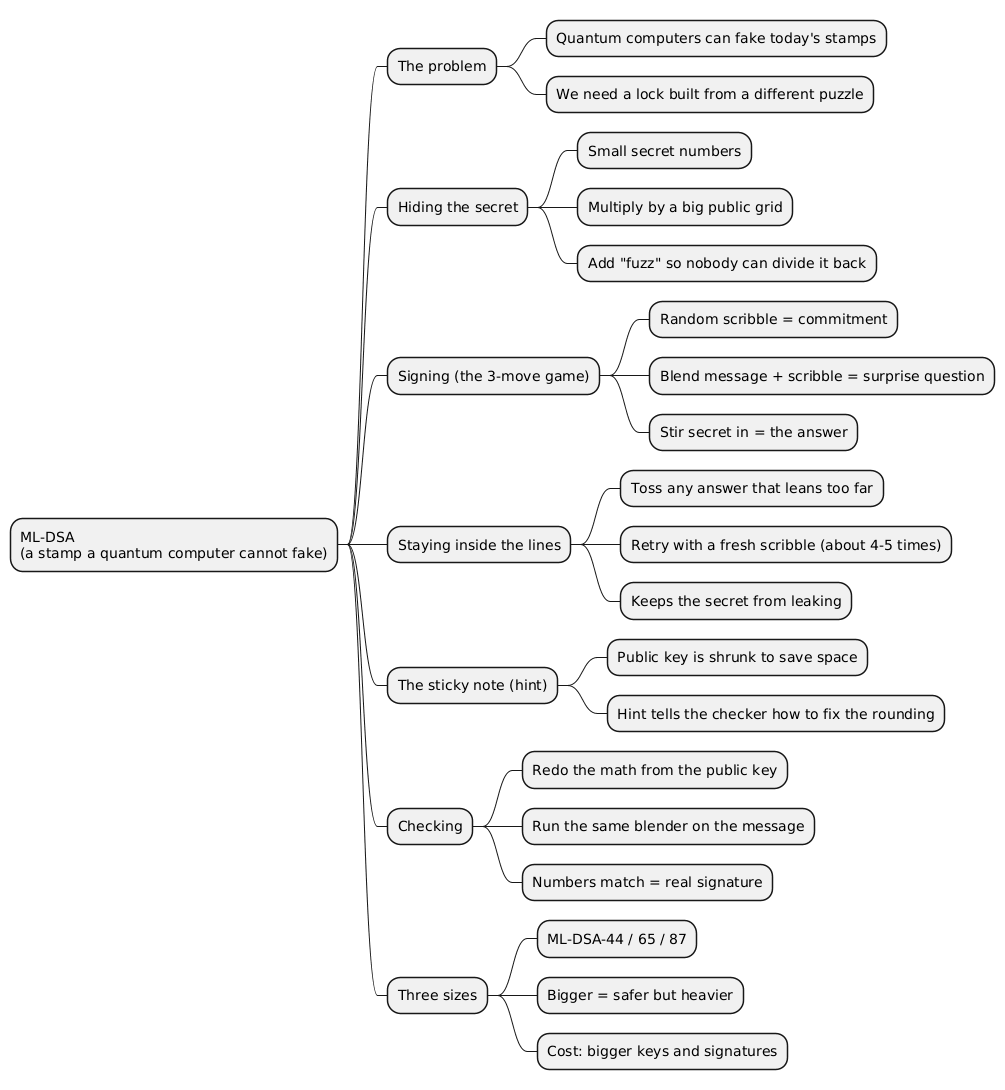
A simple guide to ML-DSA, the new signature that quantum computers cannot fake, explained with everyday analogies about wax seals, secret paint, and drawings that must stay inside the lines.
2026, Jul 03 —
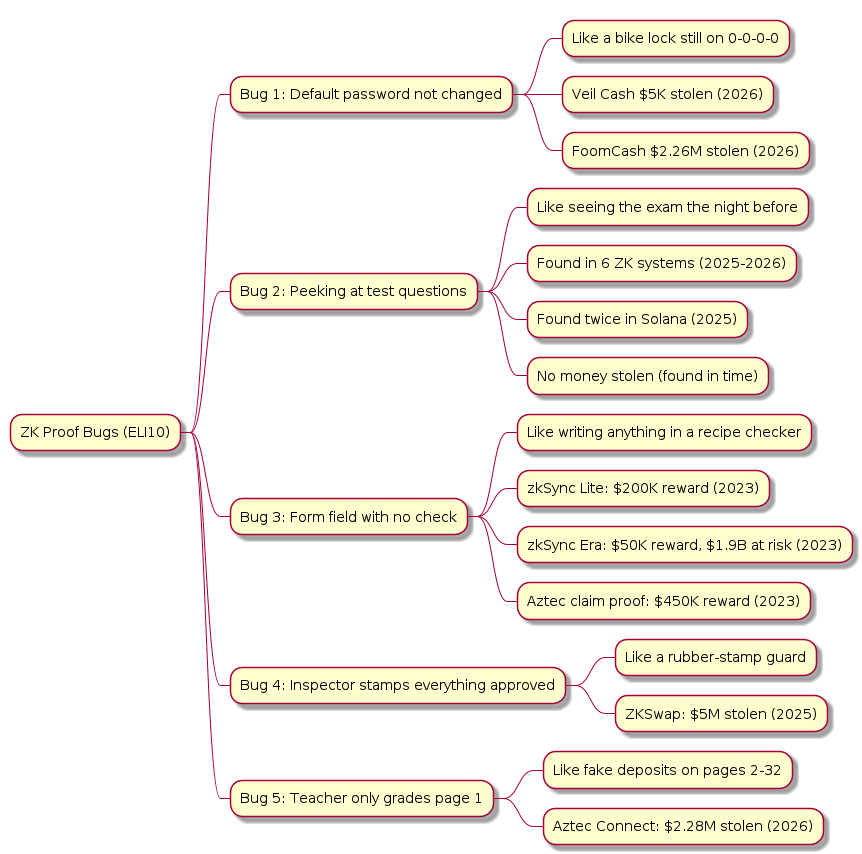
A simple guide to the main ways zero-knowledge proof systems have been broken, explained with everyday analogies about magic locks, bakers, and inspectors.
2026, Jun 19 —
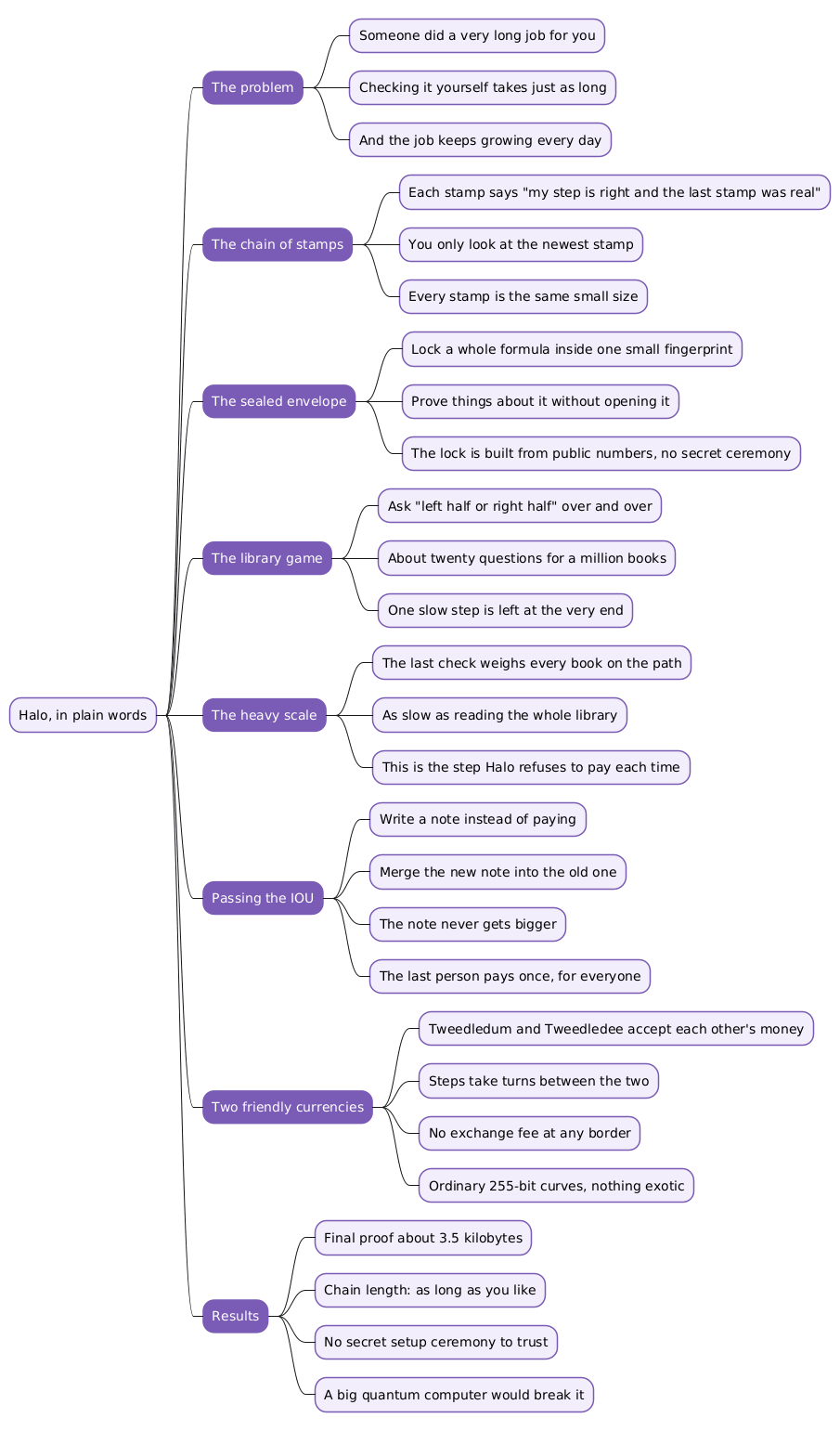
An intuitive guide to Halo, the first system that lets you verify a million steps of computation by checking just one small proof, without trusting any secret setup ceremony.
2026, Jun 19 —
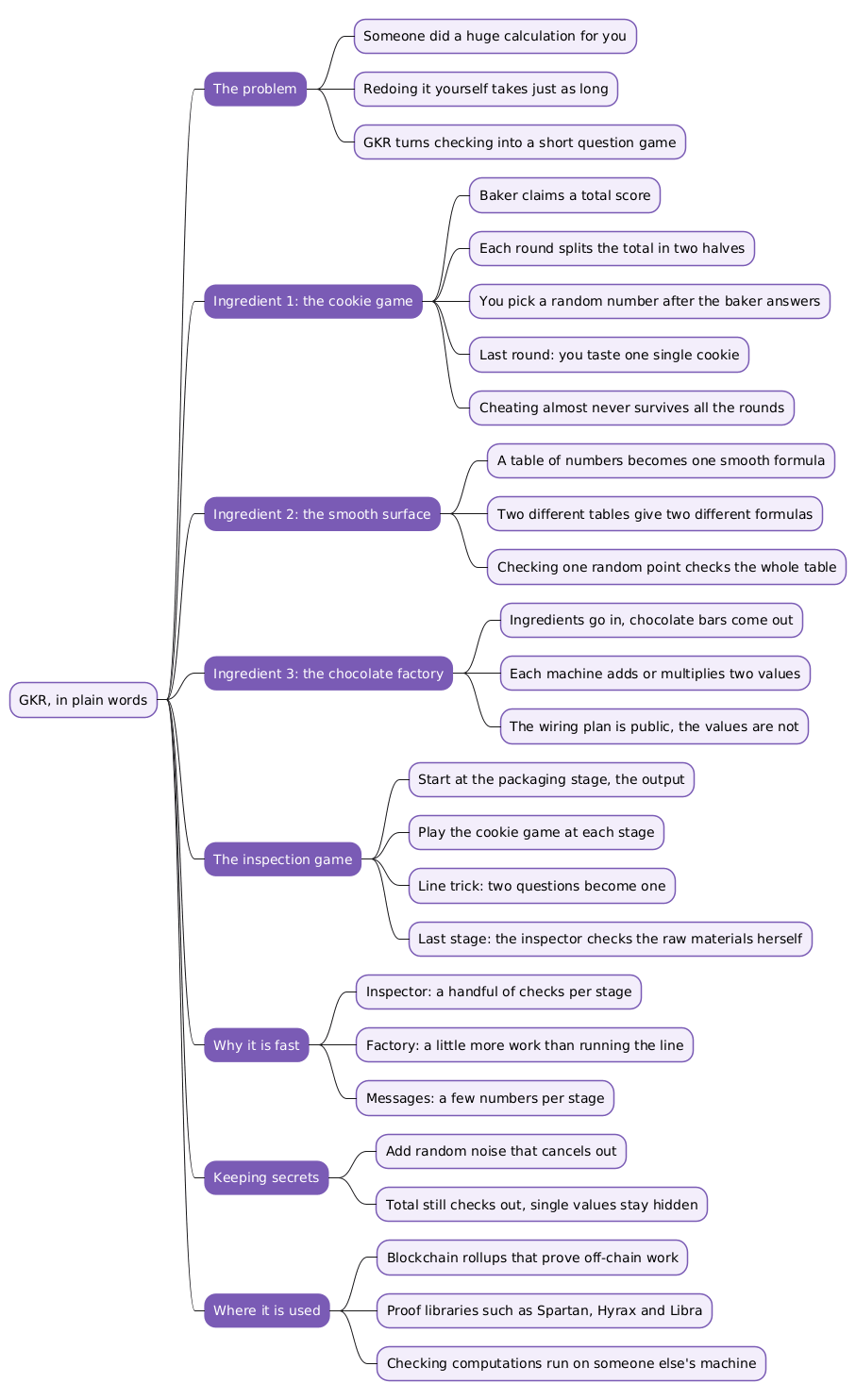
An intuitive guide to the GKR protocol through everyday analogies. Learn how a verifier can check a massive computation by asking a few clever questions, without re-running a single step.
2026, Jun 19 —