Main Security Models - Overview
This article provides a comprehensive overview of three foundational security models: Bell-LaPadula, Biba, and Clark-Wilson.
2025, Jan 15 — 5 minute read
This article provides a comprehensive overview of three foundational security models: Bell-LaPadula, Biba, and Clark-Wilson.
2025, Jan 15 — 5 minute read
DFIR stands for **Digital Forensics and Incident Response**. This field covers the collection of forensic artifacts from digital devices such as computers, media devices, and smartphones to investigate an incident.
2025, Jan 15 — 5 minute read
Non-Fungible Tokens (NFTs) enable unique, verifiable ownership of digital and real-world items on the blockchain. While ERC-721 remains the main standard to represent NFTs on Ethereum and EVM blockchains, several other standards (ERC-1155, ERC-2981, ERC-4907,...) have emerged to meet various use cases and improve functionality.
2025, Jan 14 — 55 minute read
Introduced in 2017 in the paper Attention is All You Need, transformers address the limitations of earlier architectures by leveraging a self-attention mechanism to process sequential and structured data more effectively.
2025, Jan 13 — 6 minute read
DECO is a zkTLS-oracle made by Chainlink for authenticating and verifying web data in a privacy-preserving manner.
2025, Jan 13 — 5 minute read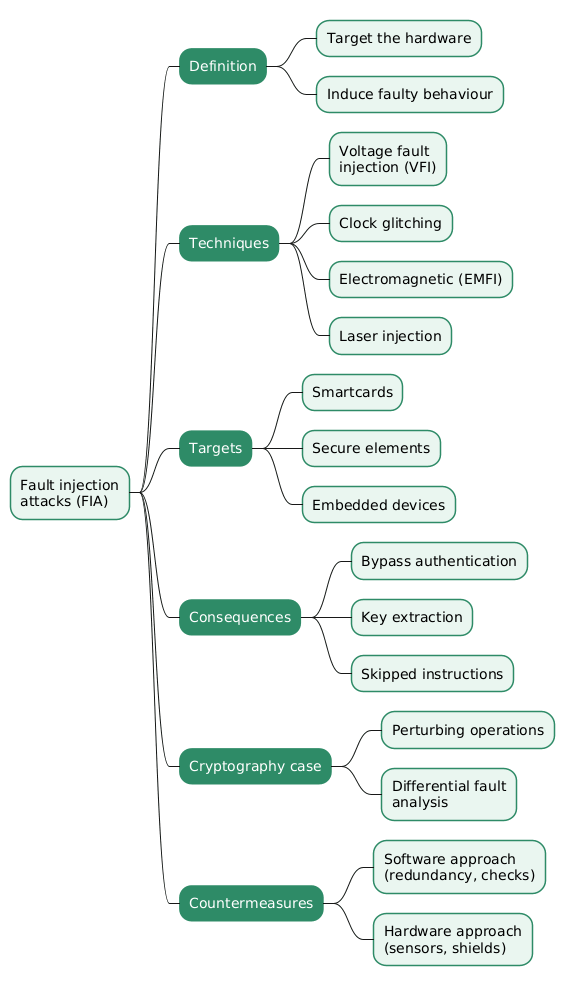
Fault injection attack (FIA) is a technique that targets the hardware itself to create unexpected behaviors in systems, sometimes with severe consequences.
2024, Dec 30 — 6 minute read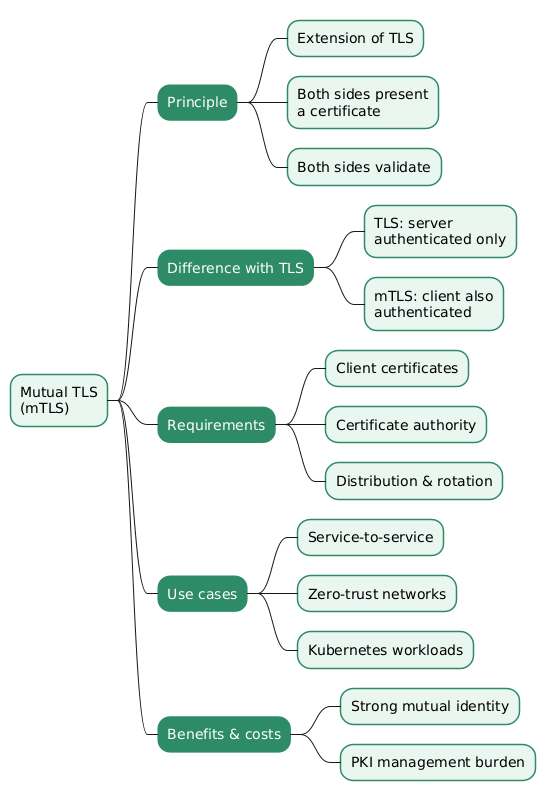
Mutual TLS (mTLS) is an extension of the standard TLS protocol which requires both the client and server to present and validate certificates, enabling mutual authentication.
2024, Dec 16 — 5 minute read